Palia Block · Lakhimpur Kheri · Uttar Pradesh

Science into action.Safer water for communities.Built sustainably.

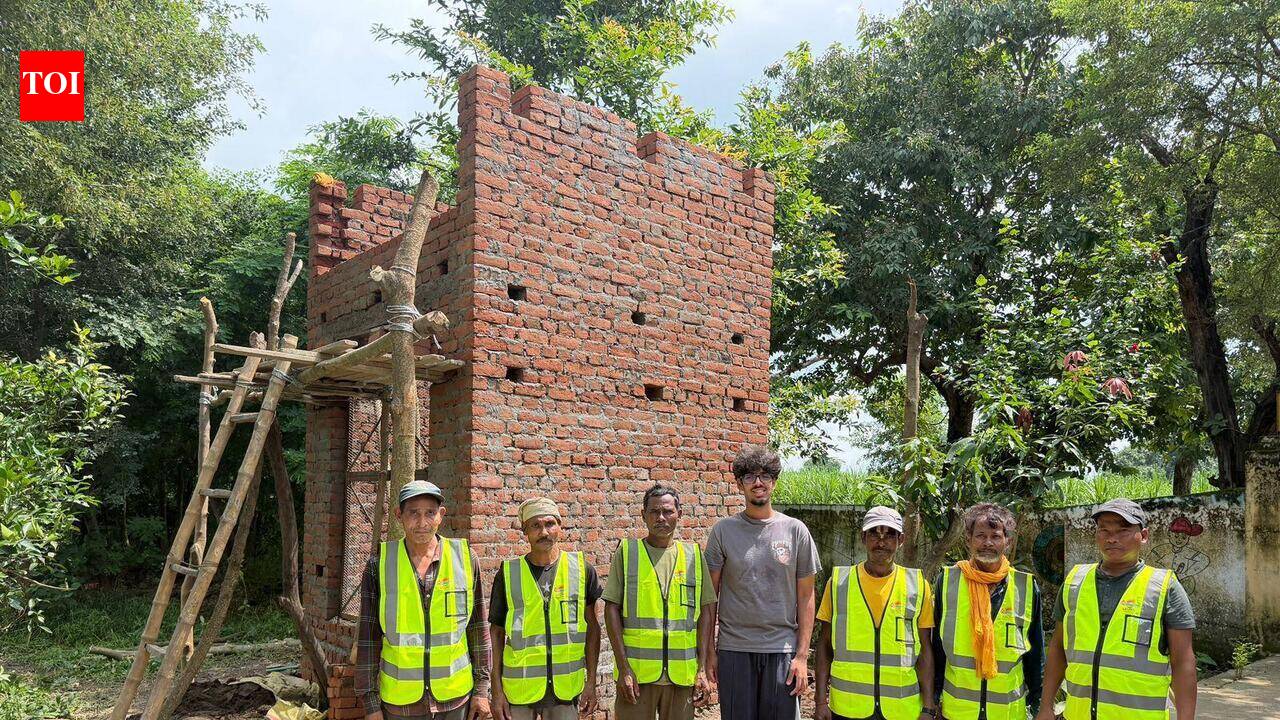
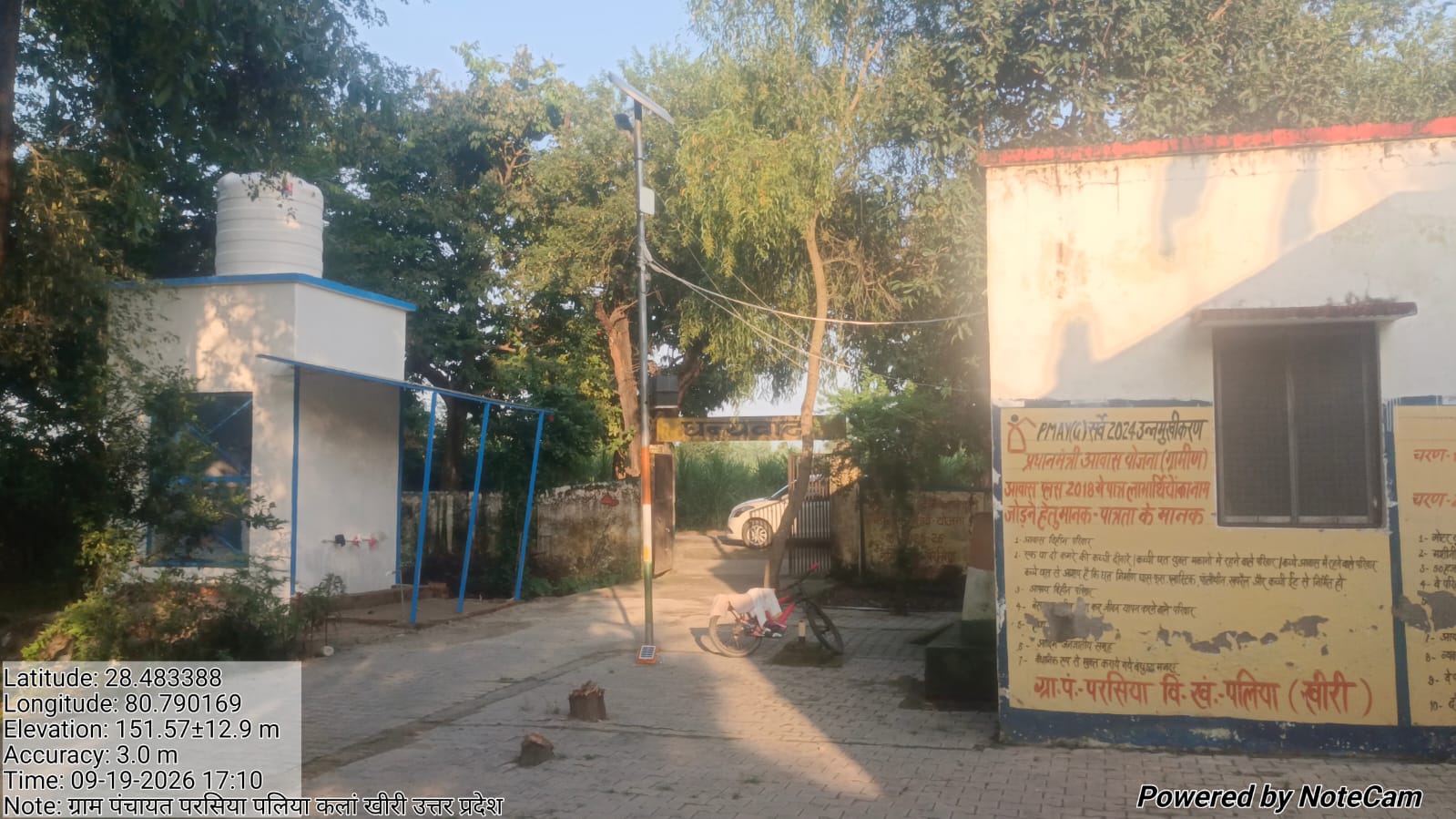
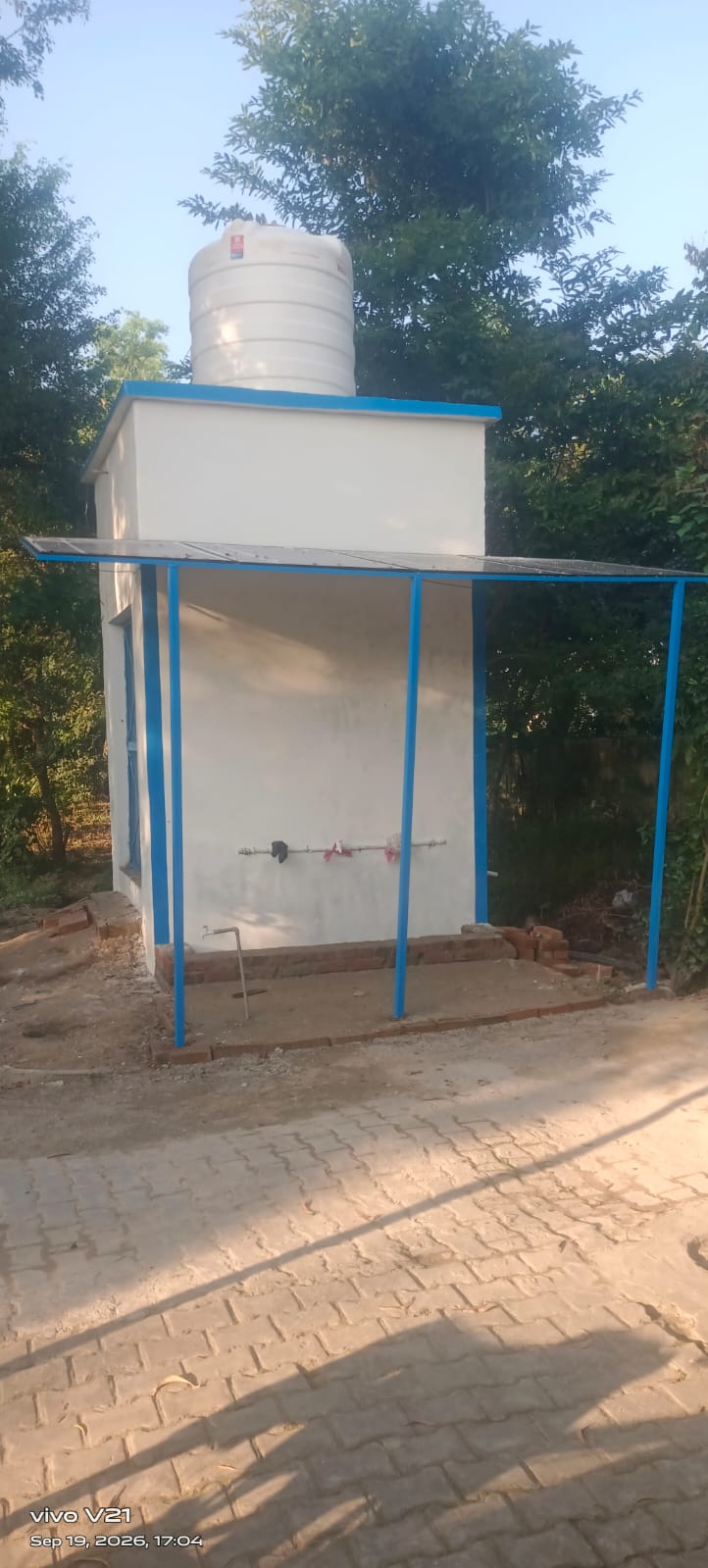
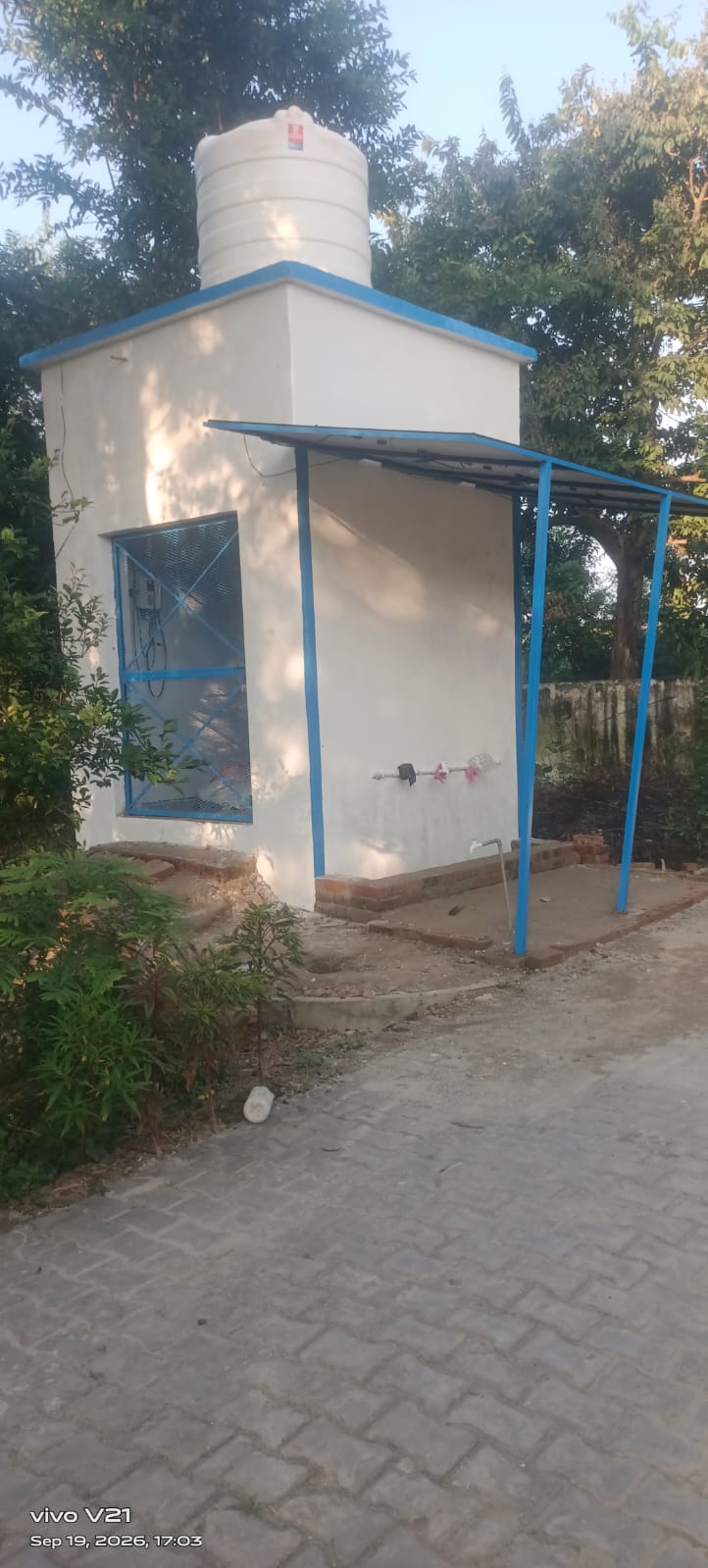
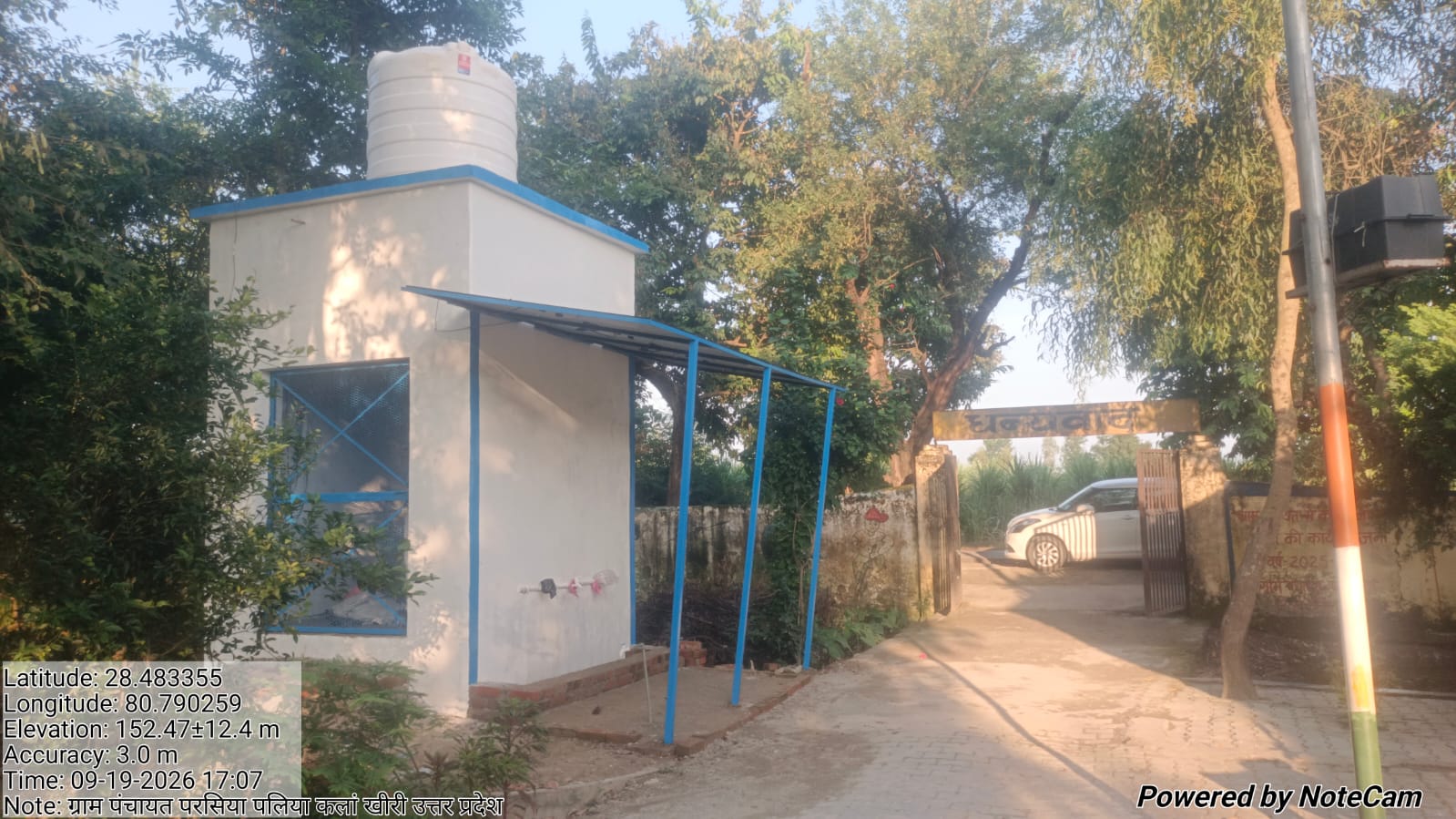
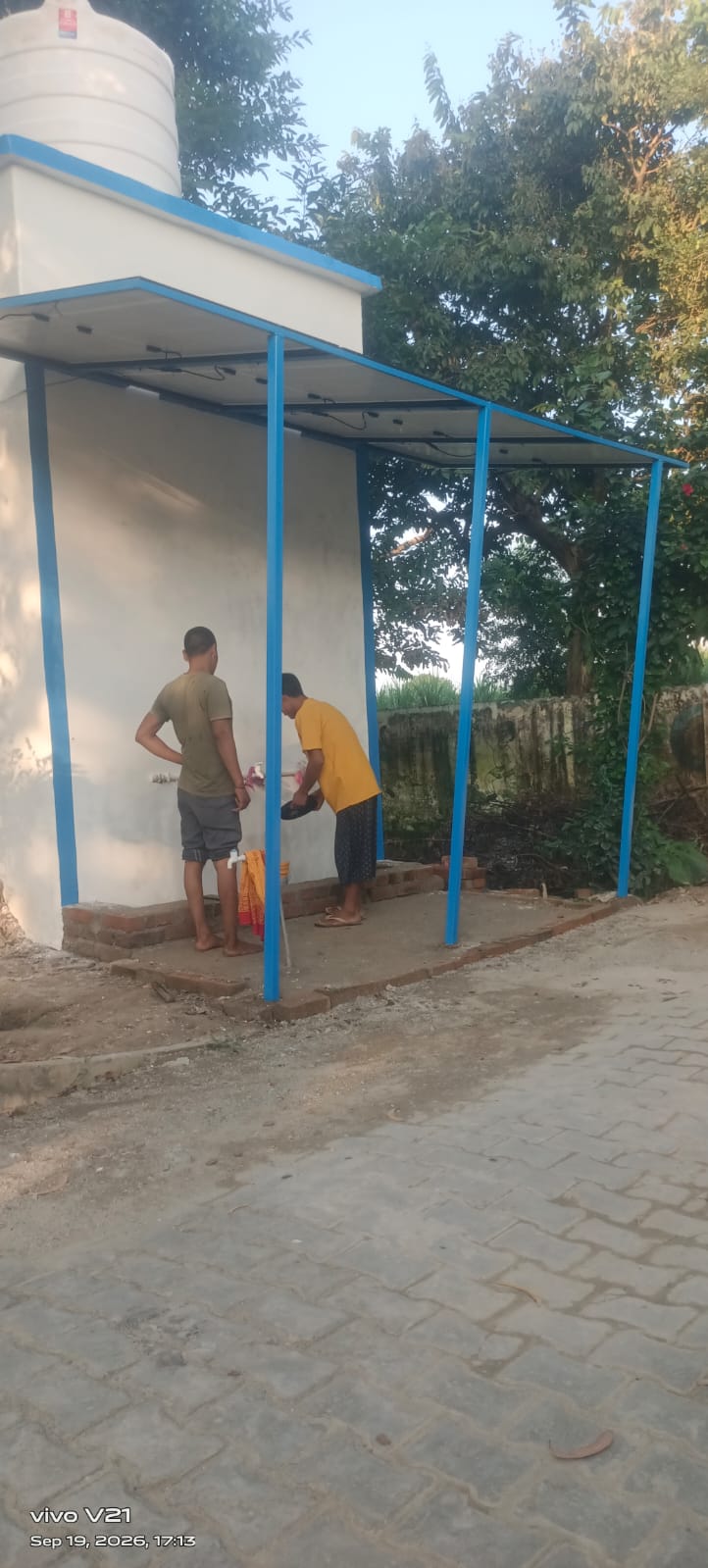
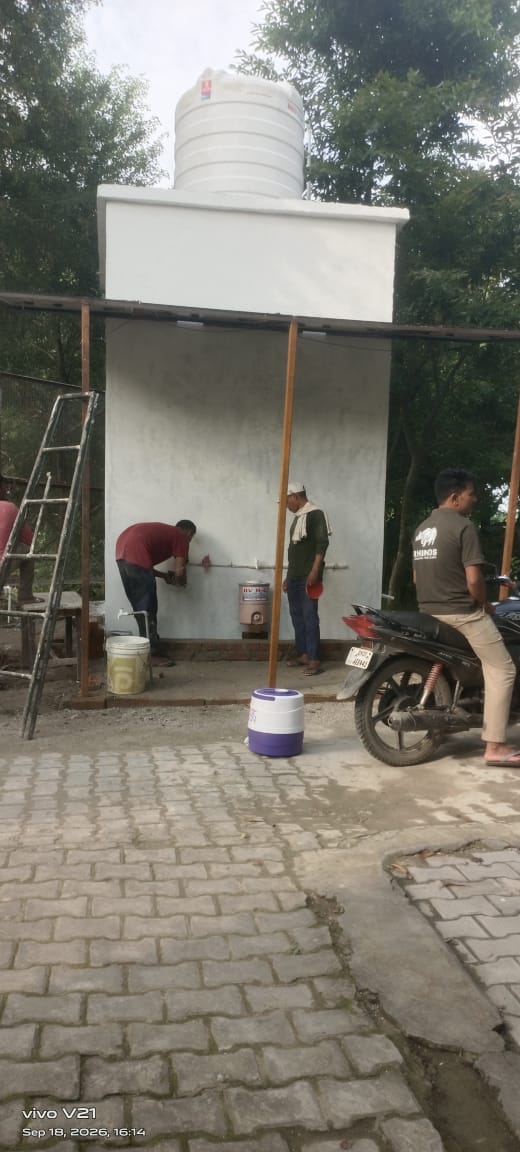
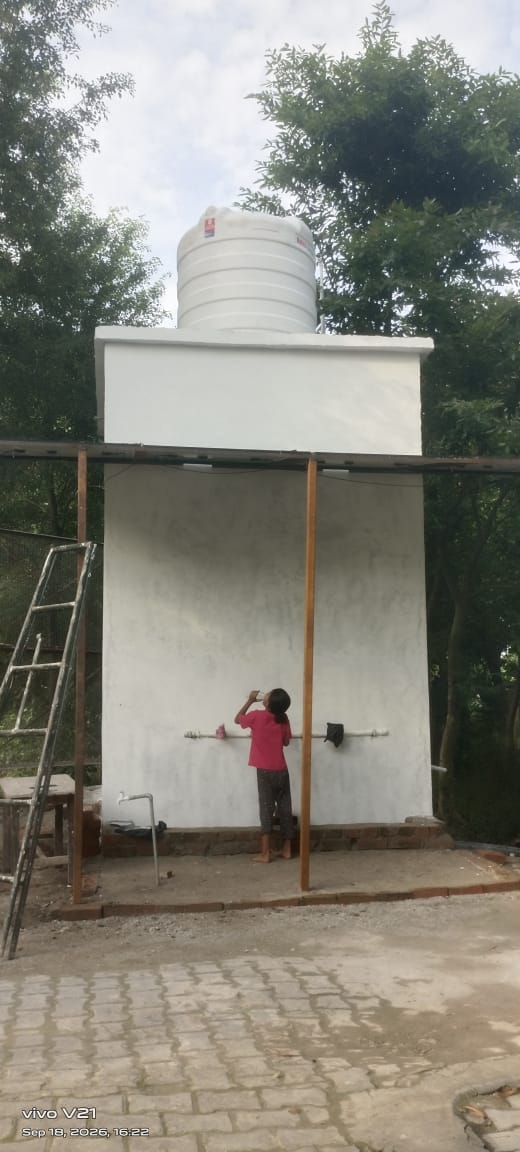
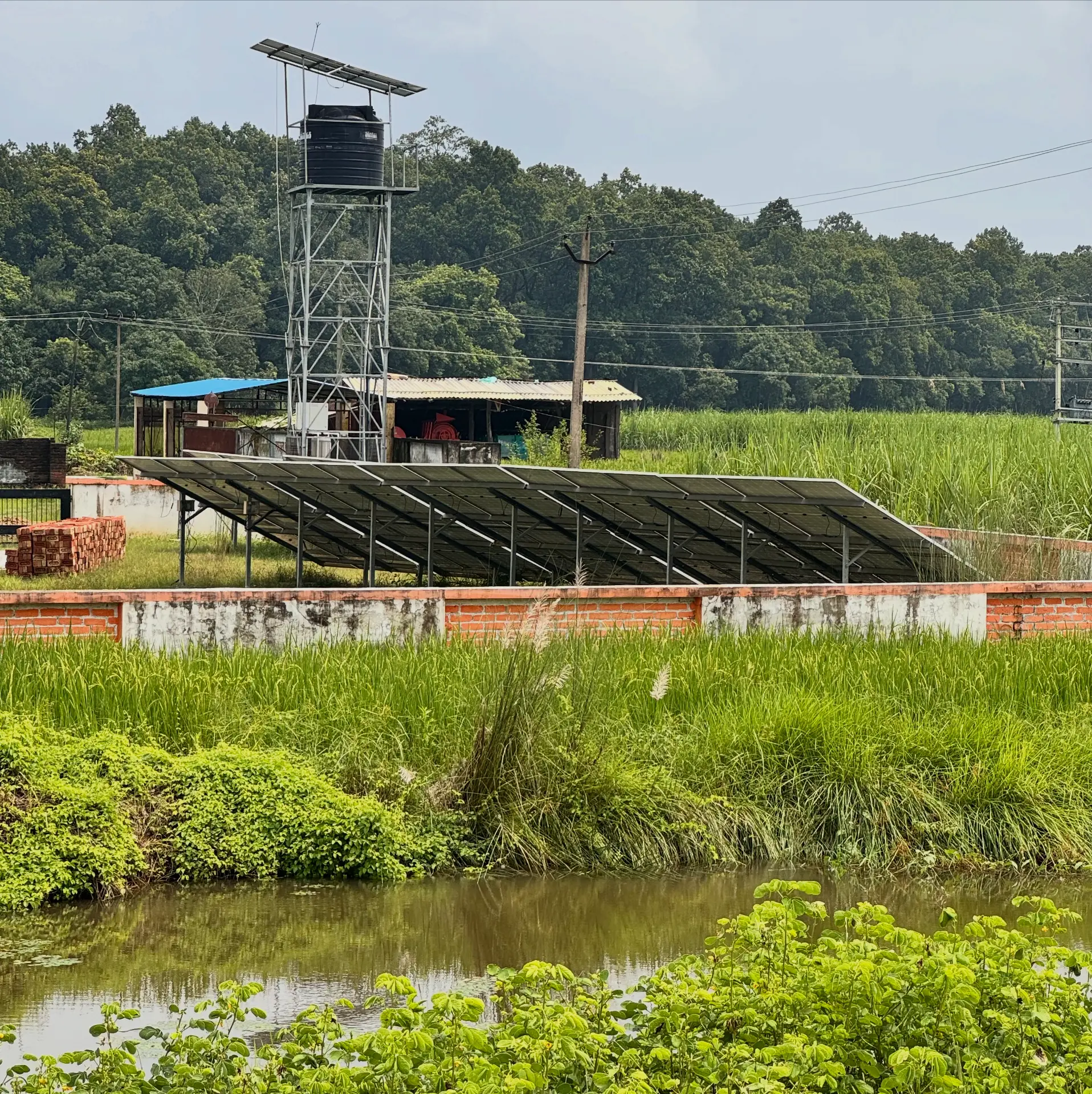
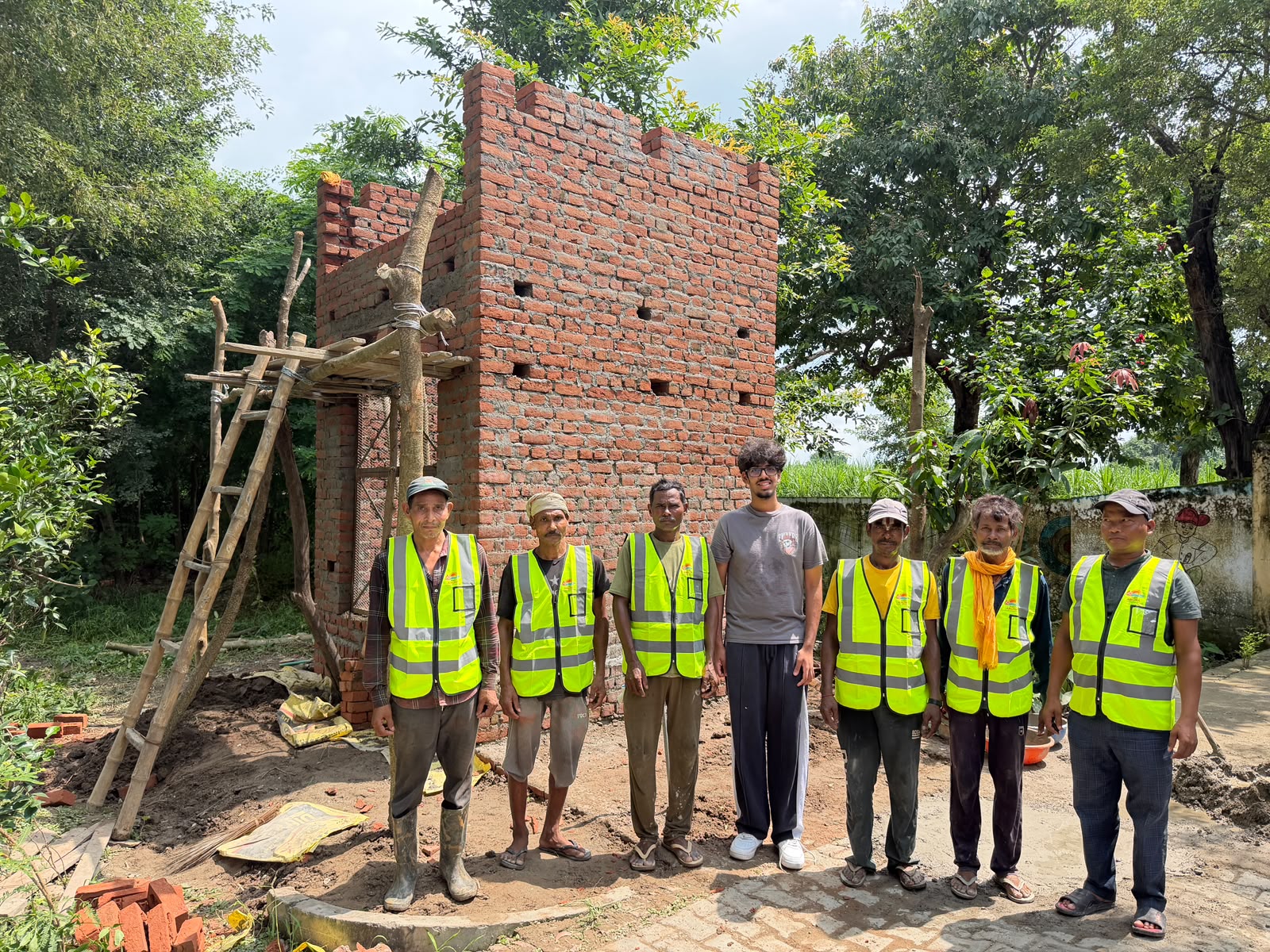
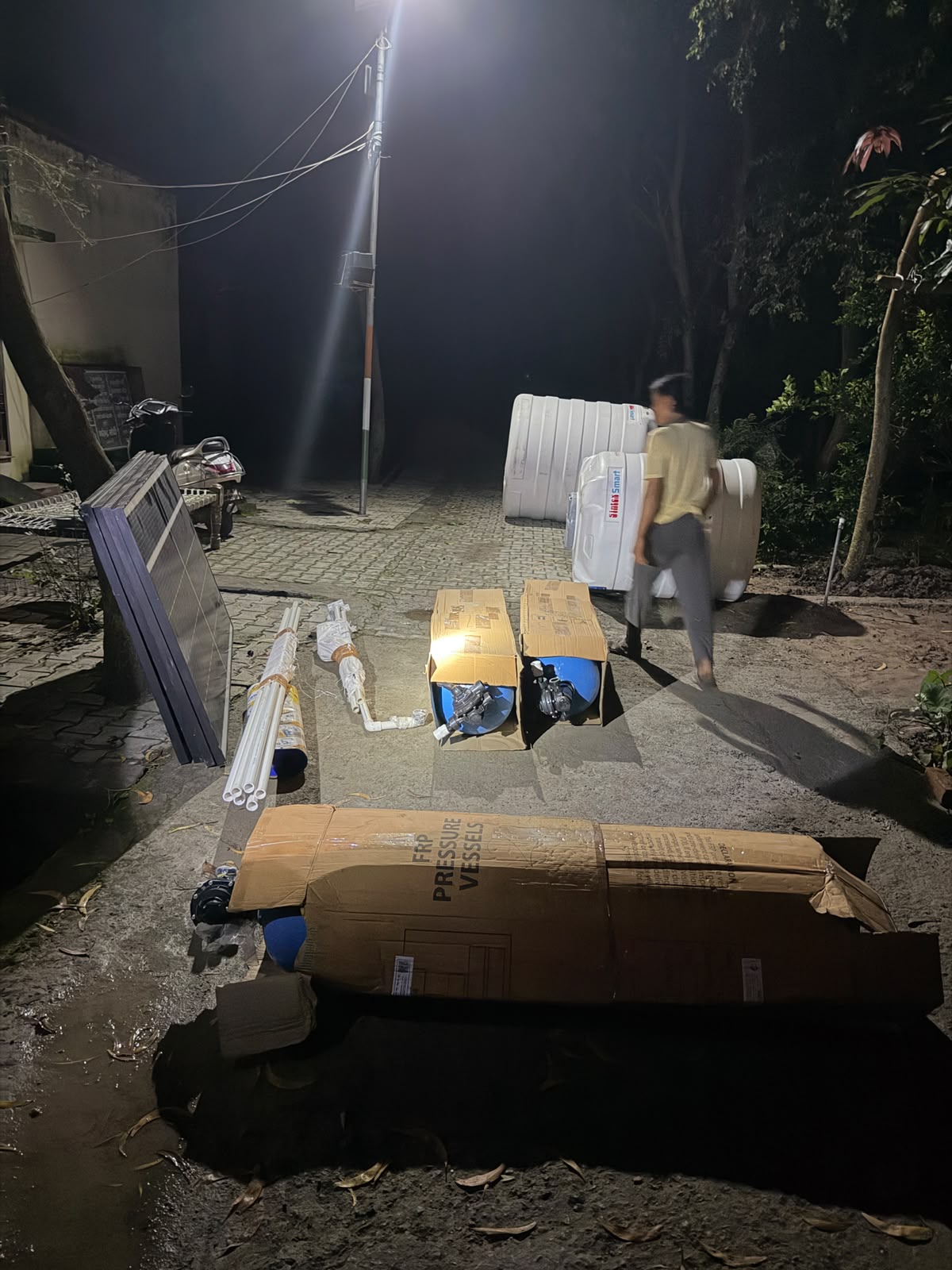
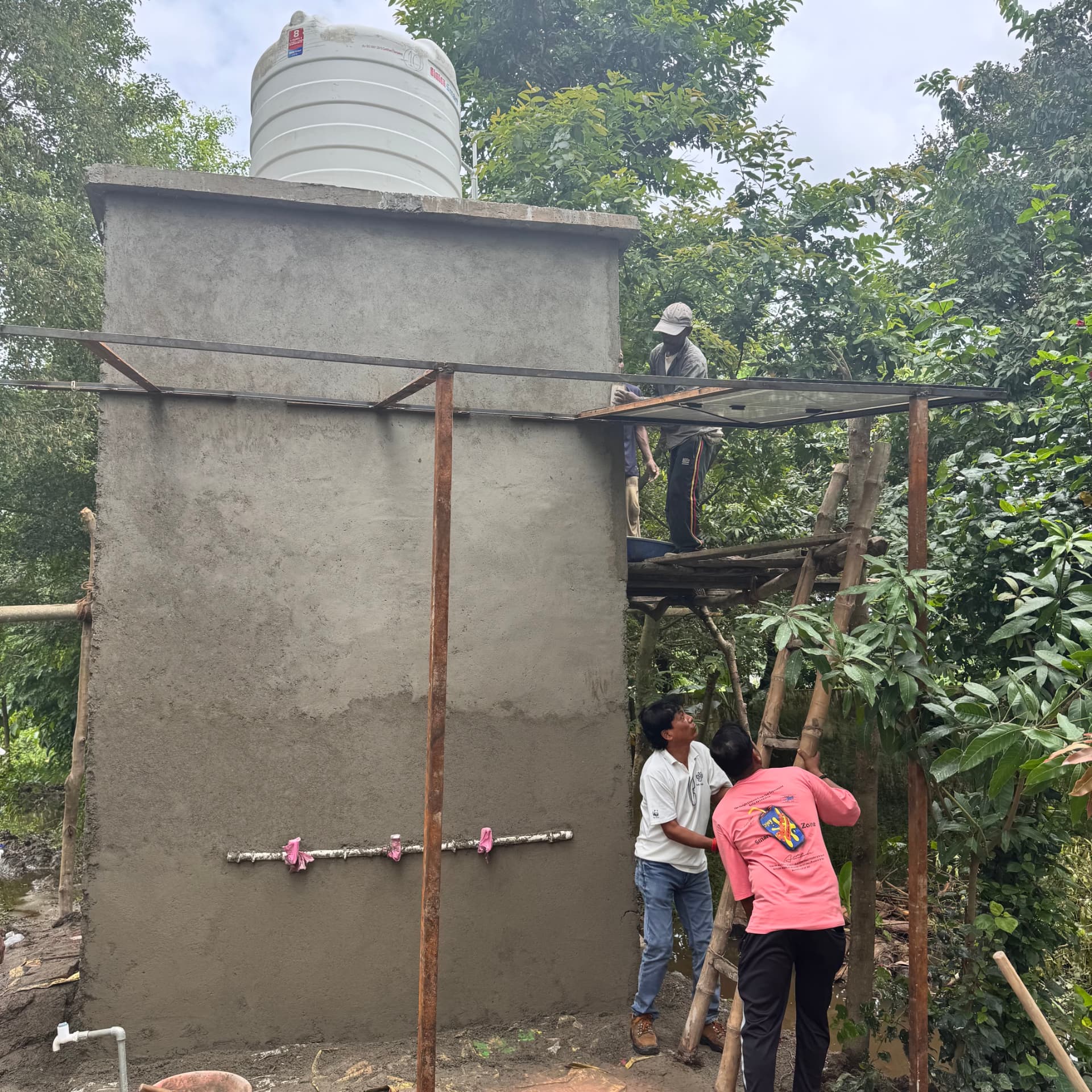
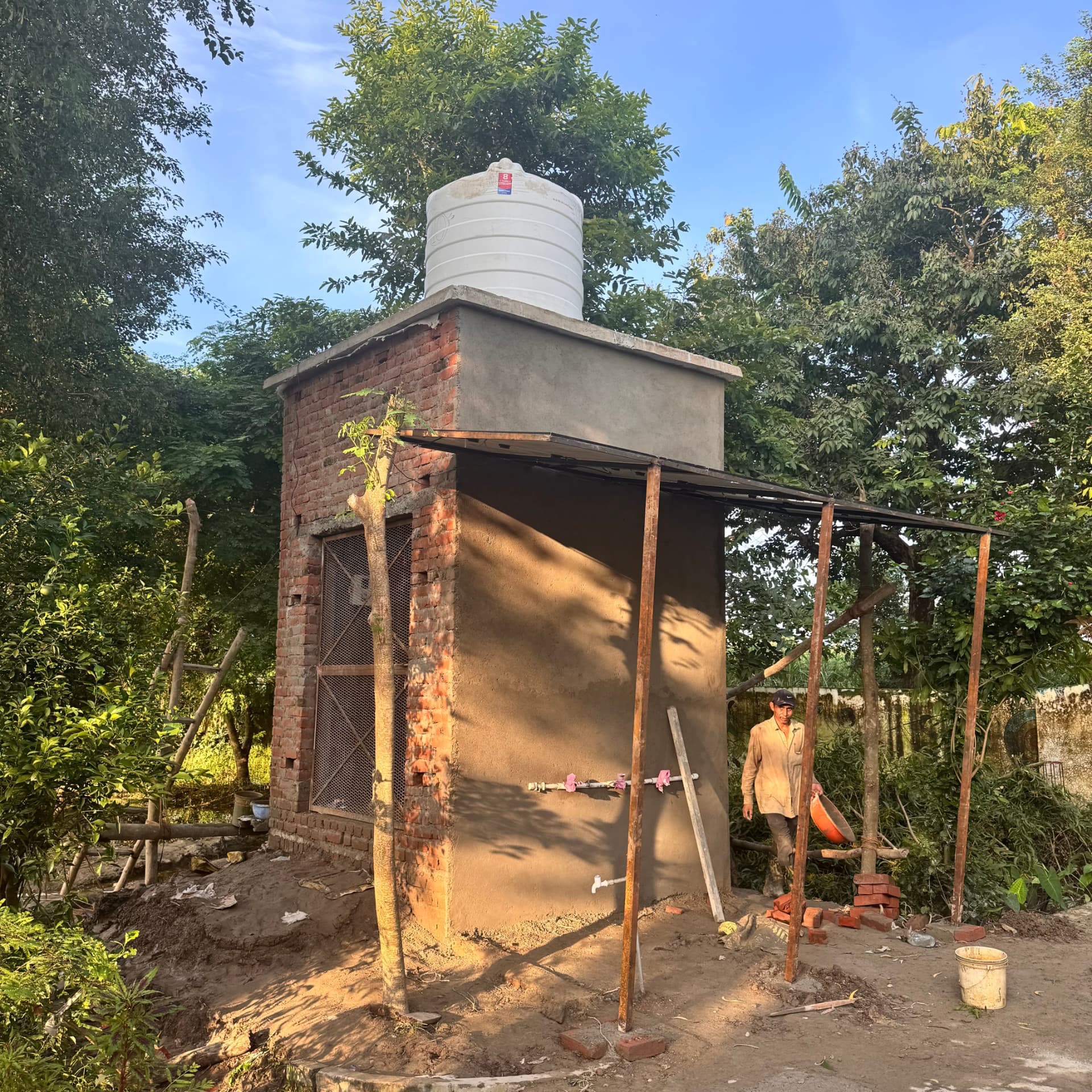
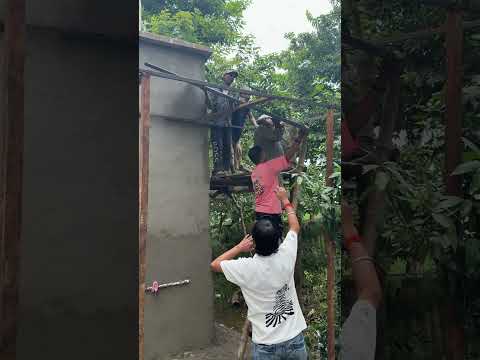
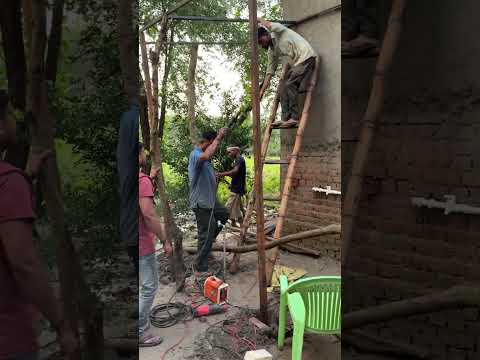
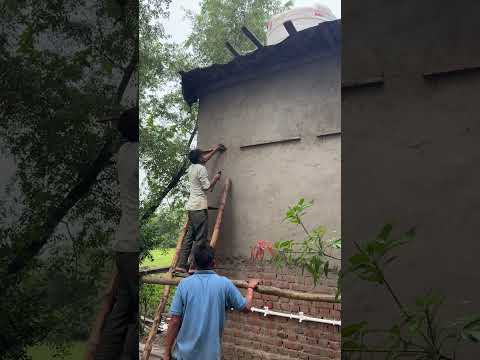
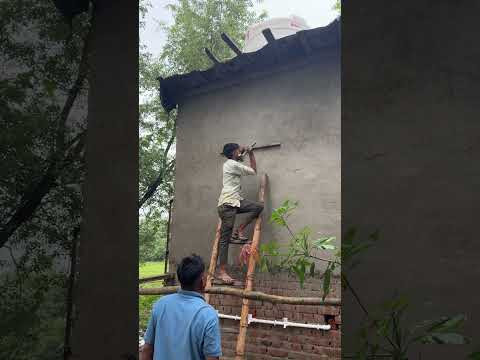
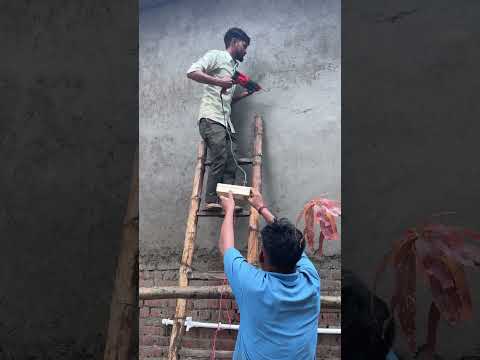
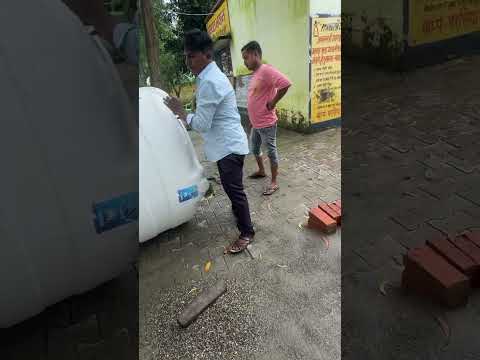
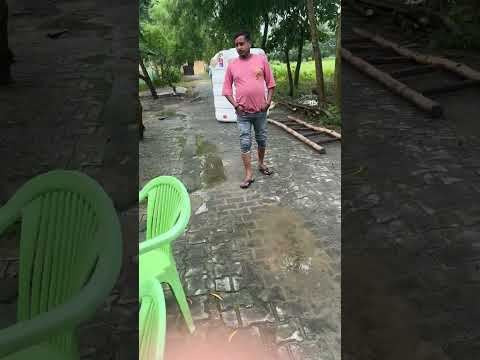
The first Project ARUNA water treatment installation in Parsiya is complete. The solar-powered system was developed to provide safer water by treating arsenic and iron-contaminated groundwater and is designed to serve 3,000+ people.

Explore the Project
Government approval securedFirst installation completeDesign values labelled

First installation complete

Parsiya

Lakhimpur Kheri, Uttar Pradesh, India

ARUNA logo

Official status

Approval secured

Approved land

Parsiya Purana · Gata 153

Project status

Installation complete · designed for 3,000+ people

Research-led

Peer-reviewed arsenic adsorption research.

Field-engineered

Solar-powered community treatment design.

Government-supported

Permission and land process documented.

Evidence-first

Data, documents and testing stay visible.

Explore Project ARUNA

Six views. One documented story.

From the arsenic problem and plant science to government approval, field deployment, impact measurement and the road ahead.

01 · ARUNA: Problem & Solution

Understand the problem. Then engineer around the reality.

ARUNA began with arsenic-removal research and a practical question: can a community-scale system work where groundwater quality, electricity, maintenance and waste handling are all constraints?

Problem context

The water can look clean and still contain arsenic.

Arsenic can occur naturally in groundwater. Because contamination cannot be reliably judged by appearance, taste or smell, exposure may continue unless water is tested and treated.

As(III) and As(V)

Arsenic speciation matters because treatment performance depends on oxidation state and water chemistry.

Long-term exposure

The project focuses on reducing chronic exposure through verified treatment, not visual water quality alone.
Scale

Global problem. Local deployment.

230M+

people globally exposed to groundwater arsenic above WHO guidance, as cited in the 2026 research paper.

10 µg/L

WHO guideline value used as a reference point for drinking-water arsenic.

Geographic focus

World → India → Uttar Pradesh → Lakhimpur Kheri → Palia Block → Pilot Site

Official monitoring data

Why Palia?

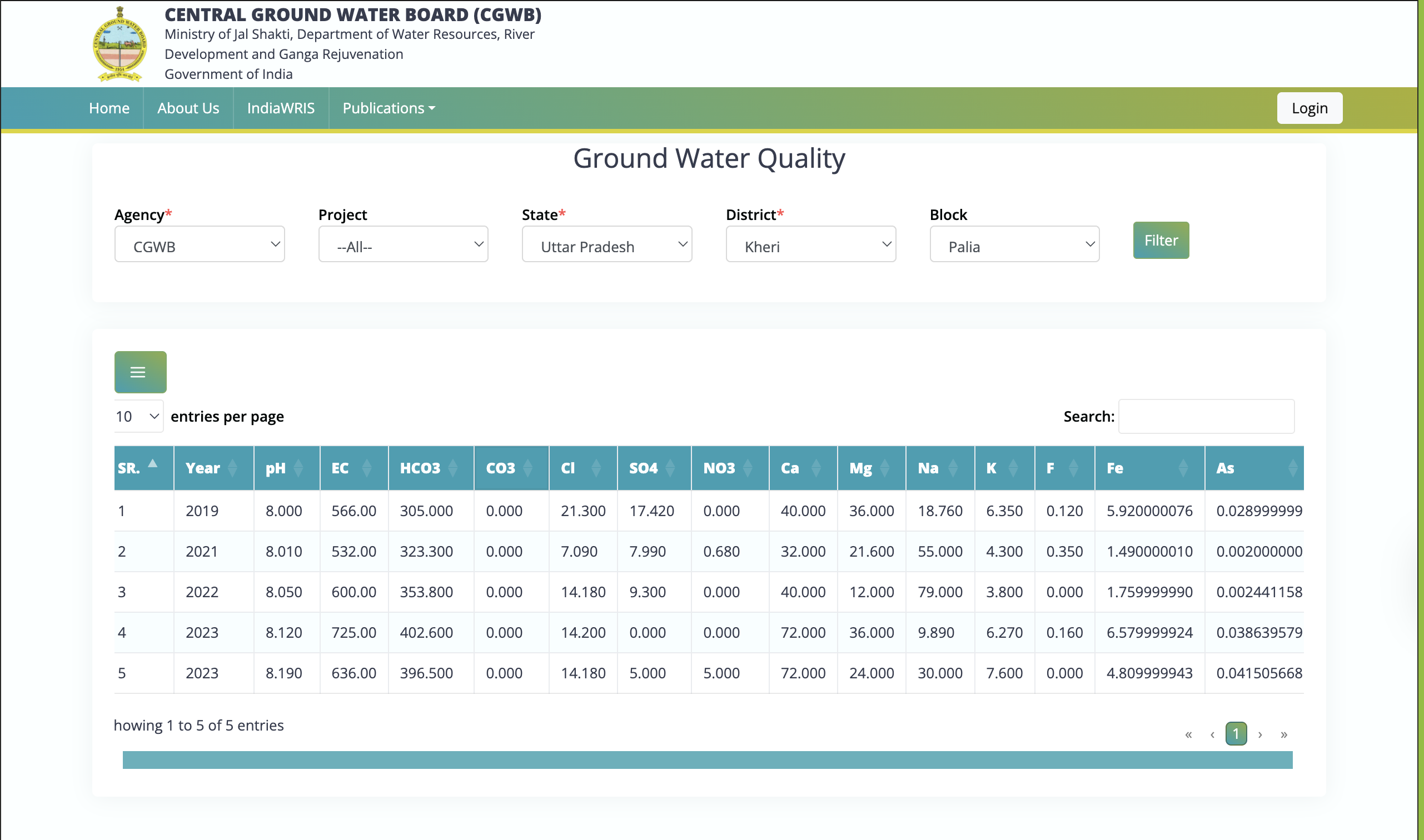
Central Ground Water Board monitoring in Lakhimpur Kheri shows arsenic above the WHO 10 µg/L guideline at multiple sites. These regional readings establish risk context; the pilot borewell itself still requires inlet testing during commissioning.

CGWB Palia water quality portal screenshot

42 µg/L

Palia Kalan Block HQ

CGWB UP 2023–24 report

87 µg/L

Bhagawant Nagar

CGWB pre-monsoon data

8.53 mg/L

Iron · Gadaniya

Shows why pretreatment can matter

The ARUNA approach

Remove. Retain. Operate. Verify.
Remove

Use iron-based non-regenerative adsorption media to capture arsenic from groundwater.

Retain

Avoid routinely regenerating the arsenic media; manage exhausted media as controlled waste.

Operate

Pair solar-powered pumping with a simple treatment train designed for field operation.

Verify

Measure inlet and treated water rather than assuming treatment performance.

02 · Technology & Plant

Inside the ARUNA treatment system.

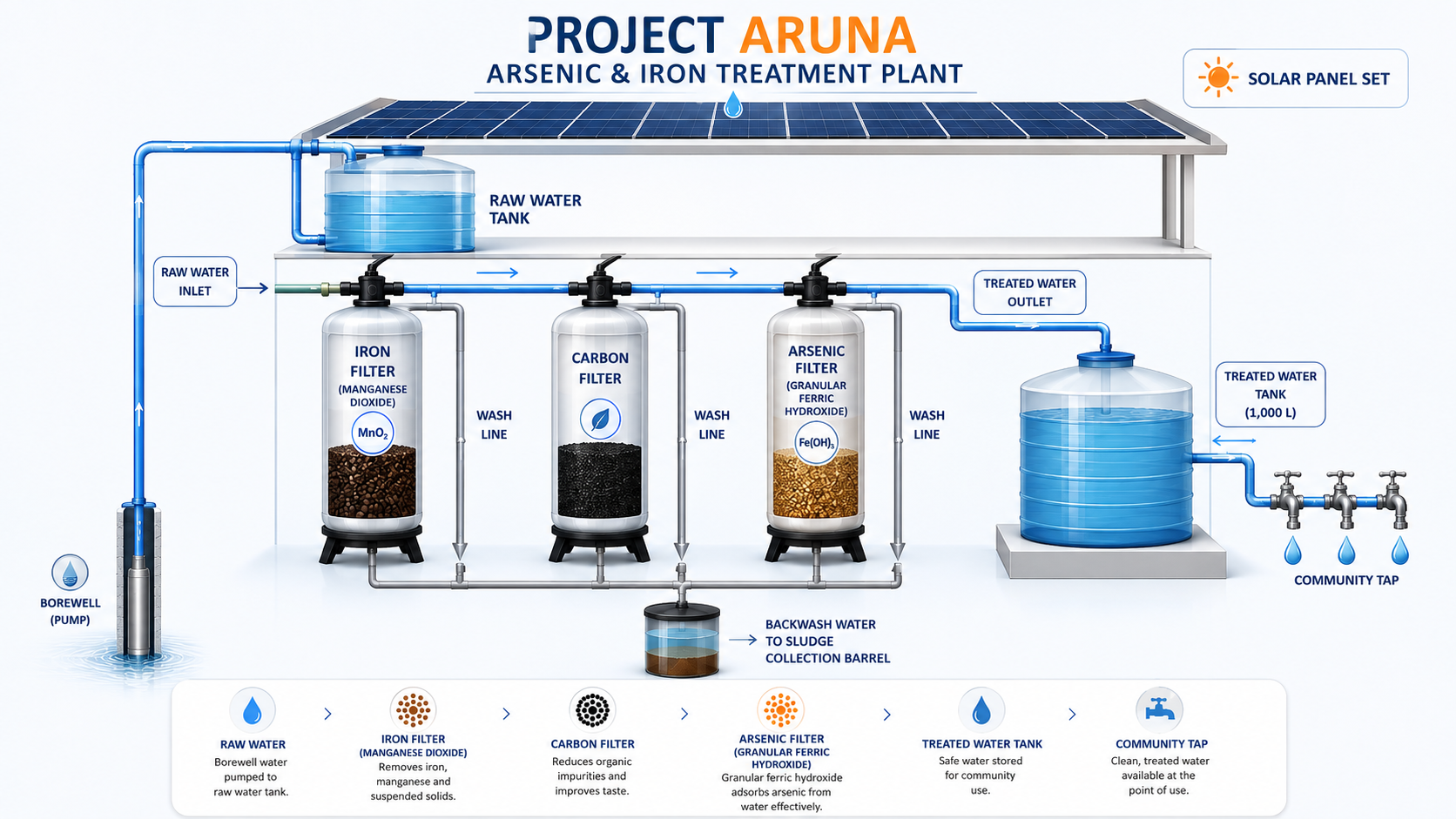
A solar-powered borewell feeds an elevated raw-water tank, followed by pretreatment, arsenic adsorption, polishing and controlled waste handling.

Project ARUNA arsenic and iron treatment plant diagram with labelled borewell, raw water tank, iron filter, carbon filter, arsenic filter, treated water tank and community tapTap the diagram to open it full size
Design basis

Treatment train

  1. 1. Borewell + solar pump
    Lifts groundwater to the elevated raw-water tank.
  2. 2. Iron removal
    Reduces iron loading before adsorption.
  3. 3. Activated carbon
    Reduces organics and supports polishing.
  4. 4. GFH arsenic adsorption
    Arsenic binds to iron-hydroxide surfaces.
  5. 5. Final polishing + treated tank
    Water is collected after final particulate removal.

Plant specifications

What is designed today — before field verification.

2,000 L

Raw-water tank

Design

1,000 L

Treated-water tank

Design

3

FRP filter vessels

Design

25–30 kg

GFH media basis

Design

~1,000 L/h

Example design flow

~4,000 L/day

Example daily design basis at 4 h/day

These are project design values from the implementation plan, not commissioned field-performance figures.

Why non-regenerative?

Removing arsenic from water is only half the problem.

ARUNA's field design uses granular ferric hydroxide as a single-use arsenic adsorbent. Once exhausted, it is removed, sealed and managed as arsenic-bearing waste rather than routinely regenerated and returned to service.

ARUNA

Arsenic Removal Using Non-Regenerative Adsorption

Waste pathway

Where does the arsenic go?

Captured arsenic remains associated with spent media; backwash solids are routed to a separate sludge barrel. The implementation plan calls for settling, controlled storage and transfer to an appropriate disposal pathway.

FilterSpent media / sludgeSealed storage
Published arsenic adsorption paper
Peer-reviewed research

The research behind the adsorption interest.

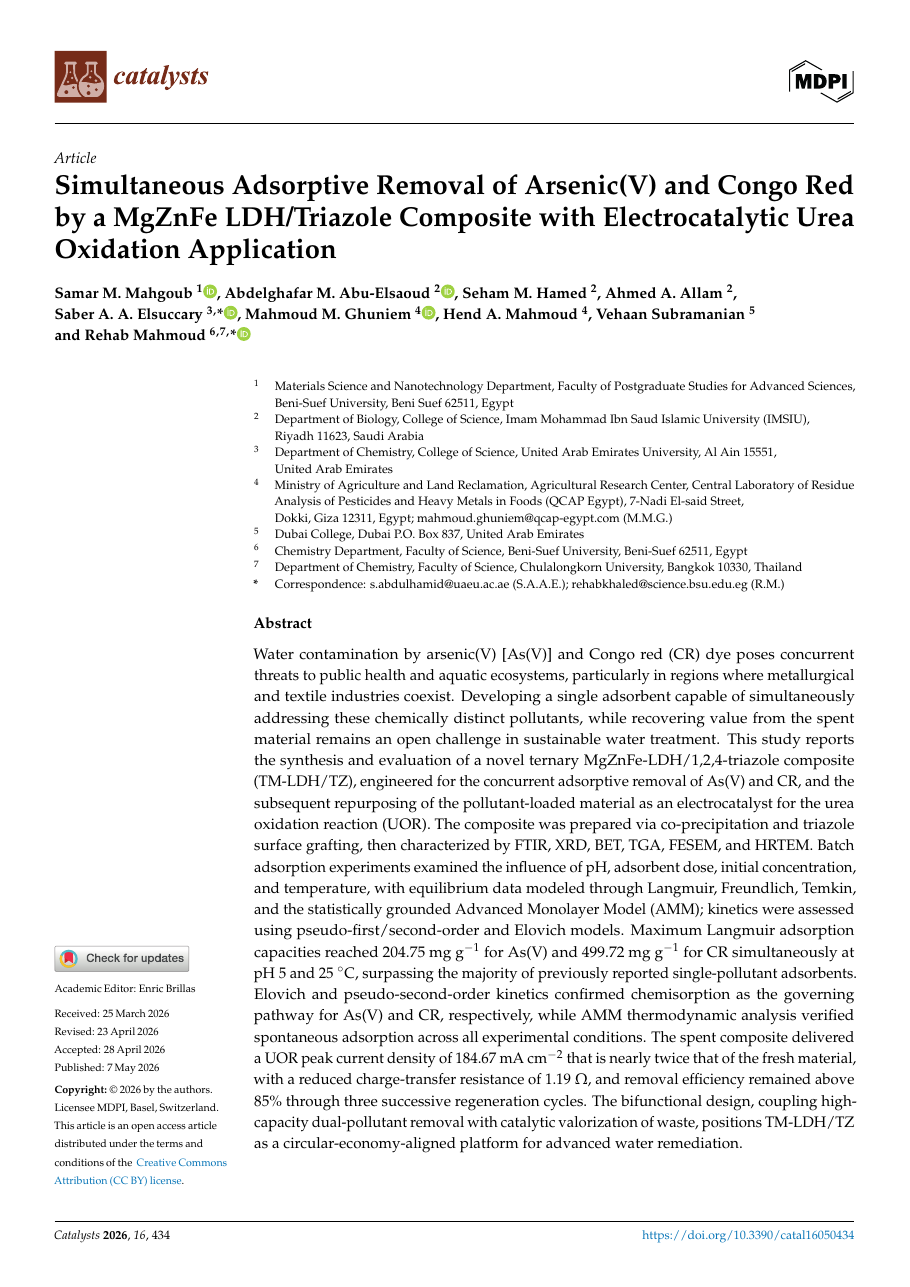
Simultaneous Adsorptive Removal of Arsenic(V) and Congo Red by a MgZnFe LDH/Triazole Composite with Electrocatalytic Urea Oxidation Application, Catalysts 2026, 16, 434. Vehaan Subramanian is listed as a co-author and contributed to scientific analysis, experimental work and validation.

204.75 mg/g

Maximum Langmuir As(V) adsorption capacity reported at 25°C

pH 5

Selected optimum for simultaneous adsorption experiments

2026

Published in Catalysts

Important distinction: the published LDH/triazole laboratory material is not presented as the same media used in the pilot plant. The current plant design uses GFH.
Open research paper
Why wasn’t the material from the research paper used in the plant?

The MgZnFe-LDH/triazole material developed in our research showed promising arsenic adsorption under controlled laboratory conditions. However, Project Aruna required a filtration medium that was already suitable for practical, continuous-flow field deployment. The research material would require further scale-up studies, including testing with real groundwater, long-term column operation, regeneration, material containment and performance under changing water conditions.

For the first pilot plant, Granular Ferric Hydroxide (GFH) was therefore selected as the more practical field-ready arsenic adsorption medium. The published research remains an important direction for future development and potential optimisation of the system.

03 · Journey & Field Journal

From research question to field deployment.

The journey is shown as it actually happened — with completed, current and future phases clearly separated.

Project timeline

01Completed

Problem research & technology comparison

Reviewed arsenic hotspots, treatment media, maintenance constraints and rural operating conditions.

02Published · May 2026

Peer-reviewed adsorption research

Co-authored research on arsenic(V) adsorption and materials characterization.

03Completed

Pilot design & government outreach

Prepared a community-scale solar-powered treatment concept and sought permission to deploy in Palia Block.

04Approval secured

Government land process

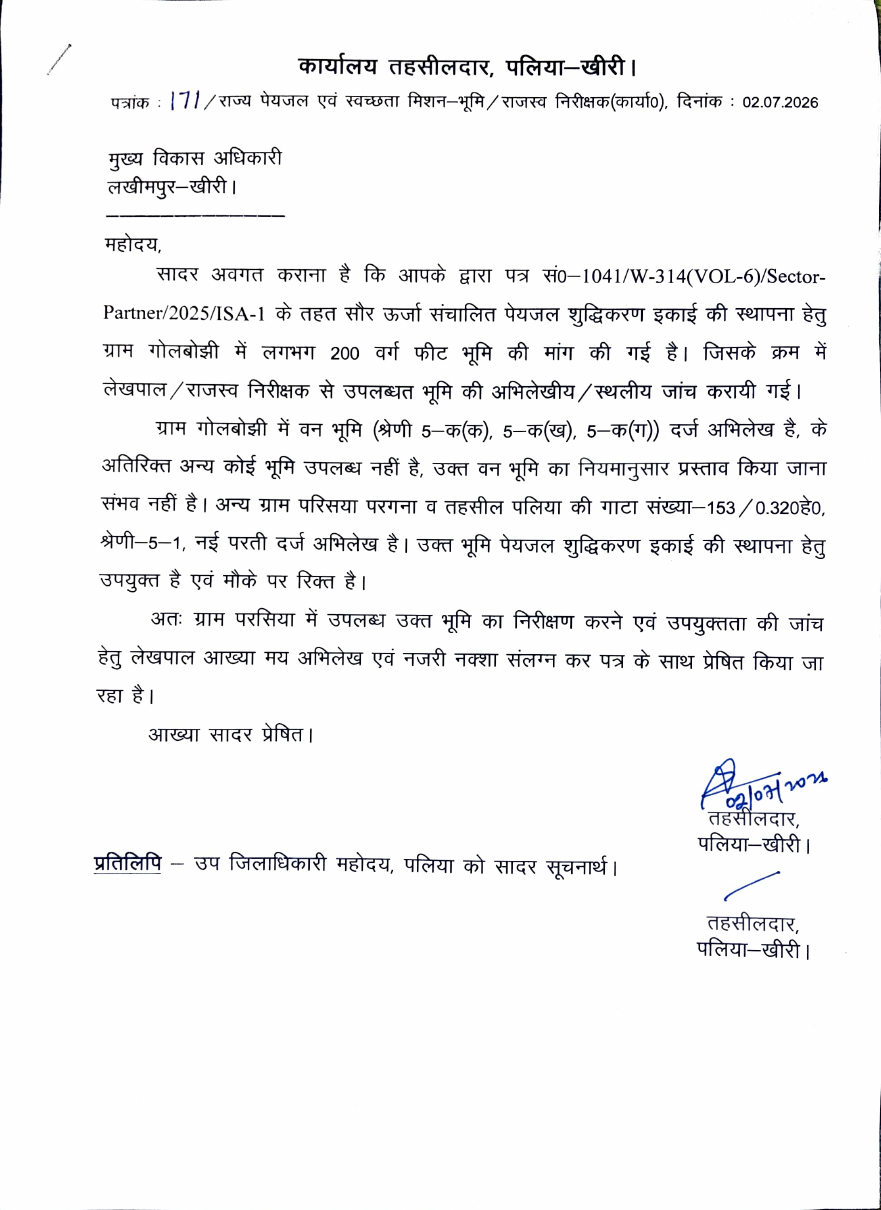
The approval record identifies suitable land in village Parsiya Purana, Tehsil Palia, Gata No. 153, approximately 0.320 ha, after the initially considered Golabojhi land was not available for this purpose.

05Completed · September 2026

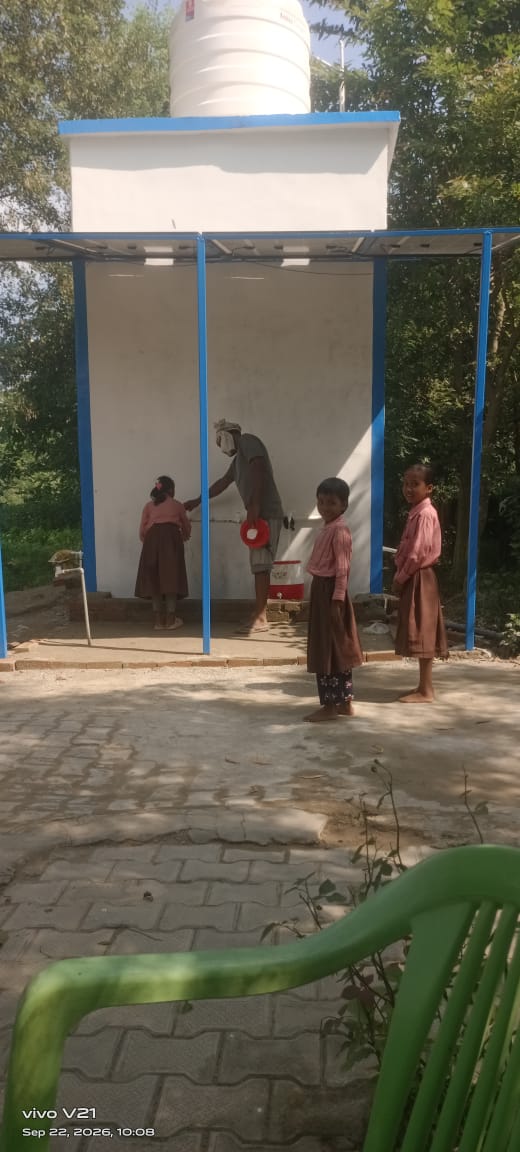
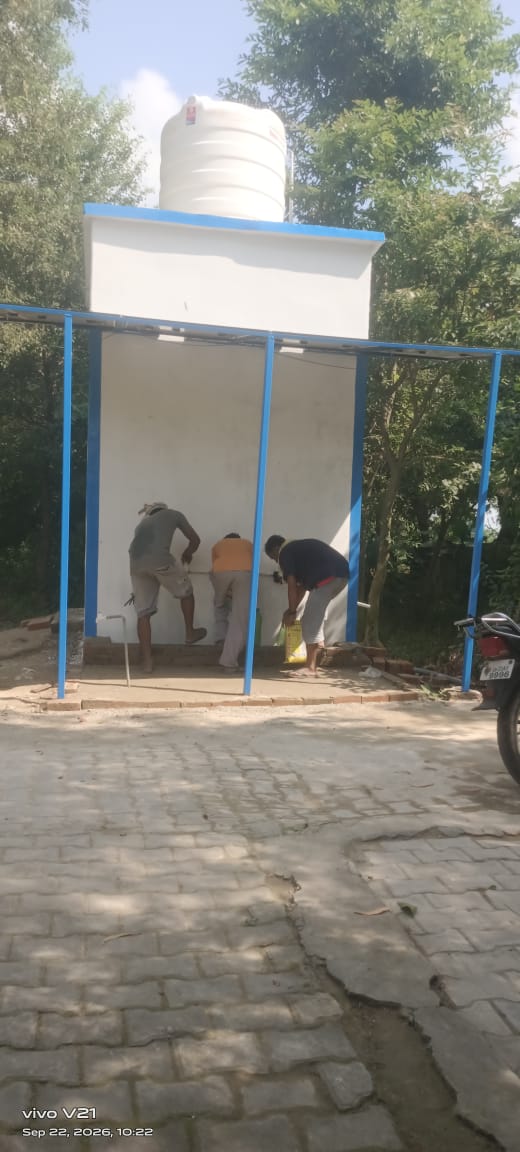
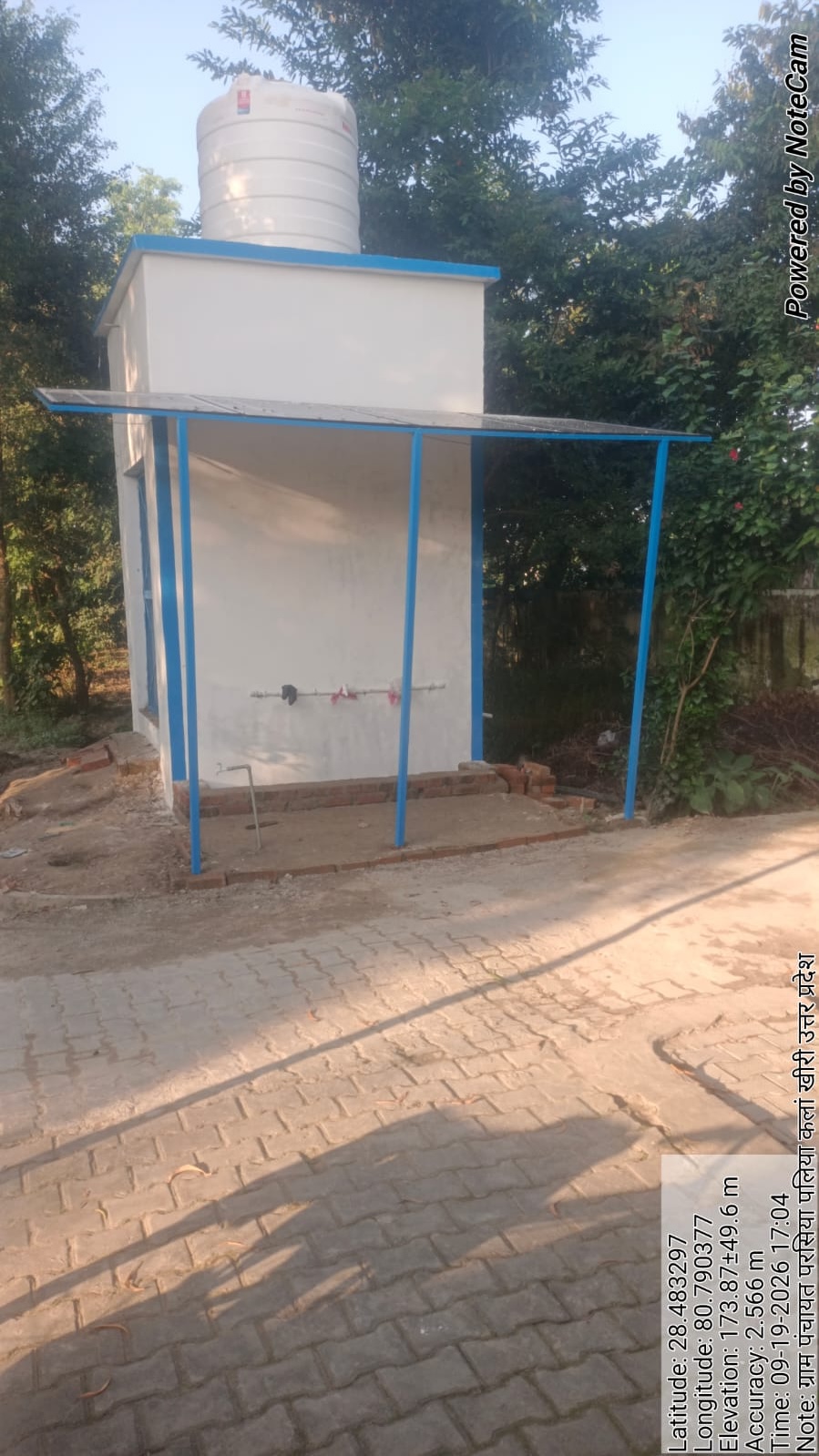
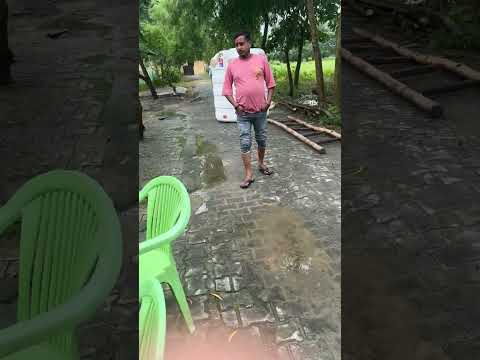
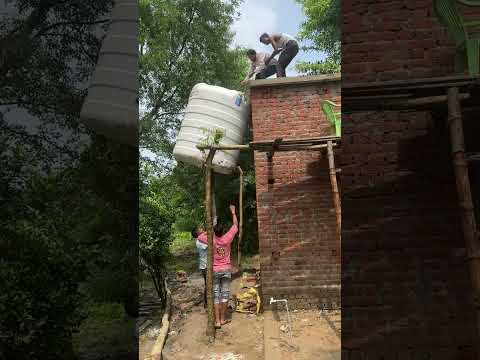
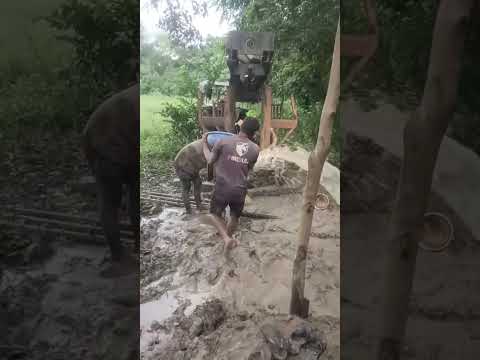
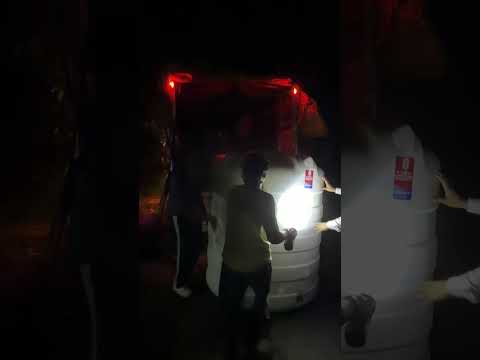
First Installation Complete – Parsiya, Lakhimpur Kheri, Uttar Pradesh

The solar-powered system has been developed to provide safer water by treating arsenic and iron-contaminated groundwater and is designed to serve 3,000+ people.

06Current

Commissioning & water testing

Test inlet and treated water for arsenic, iron, pH and turbidity after the system stabilises.

07Then

Community training & monitoring

Train local operators, keep logs and use monitoring data to judge whether replication is justified.

Government approval letter
Official document

Government approval & land correspondence

Opens page 1 of the scanned approval in a new tab.

Field journal

Show what happened, not just what succeeded.

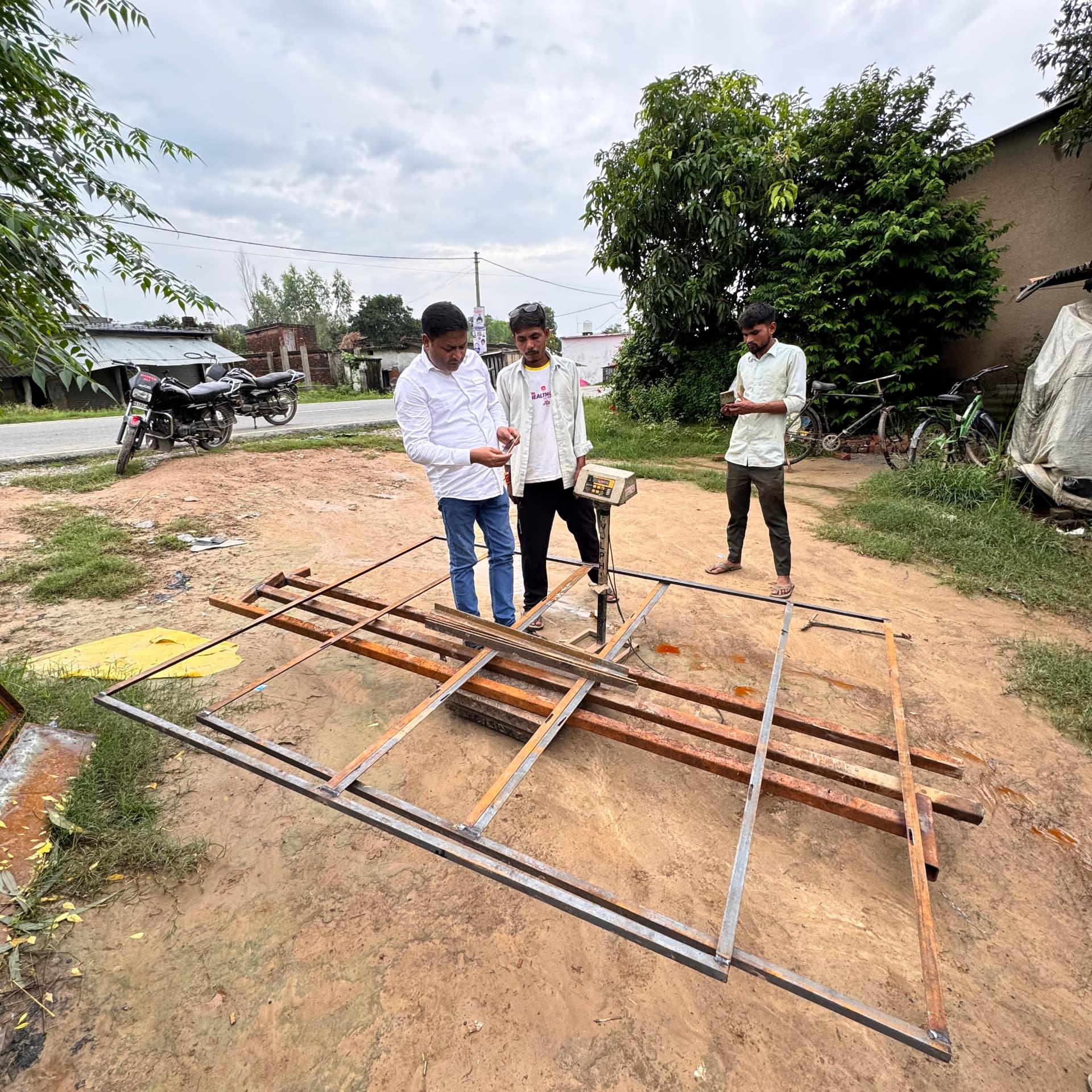
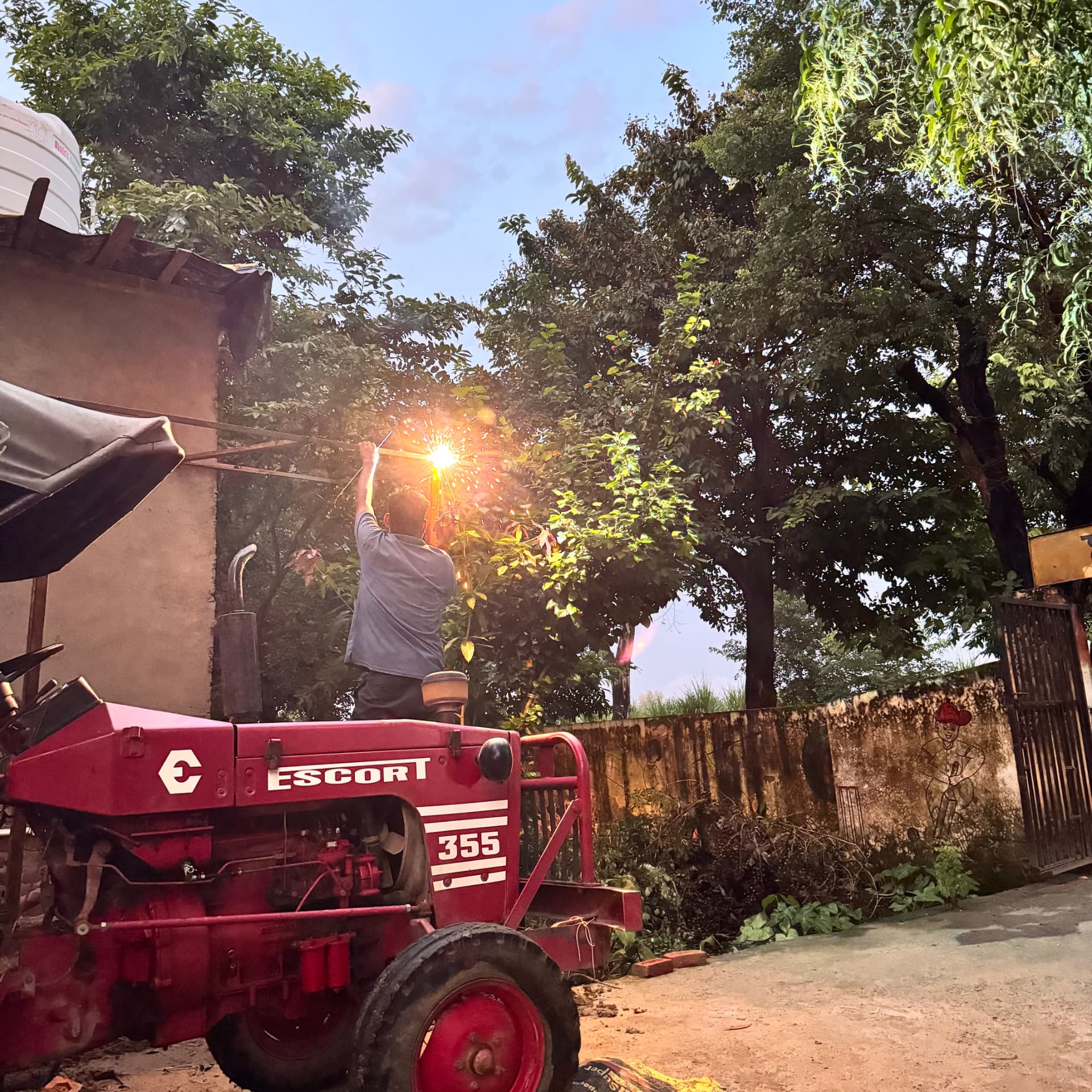
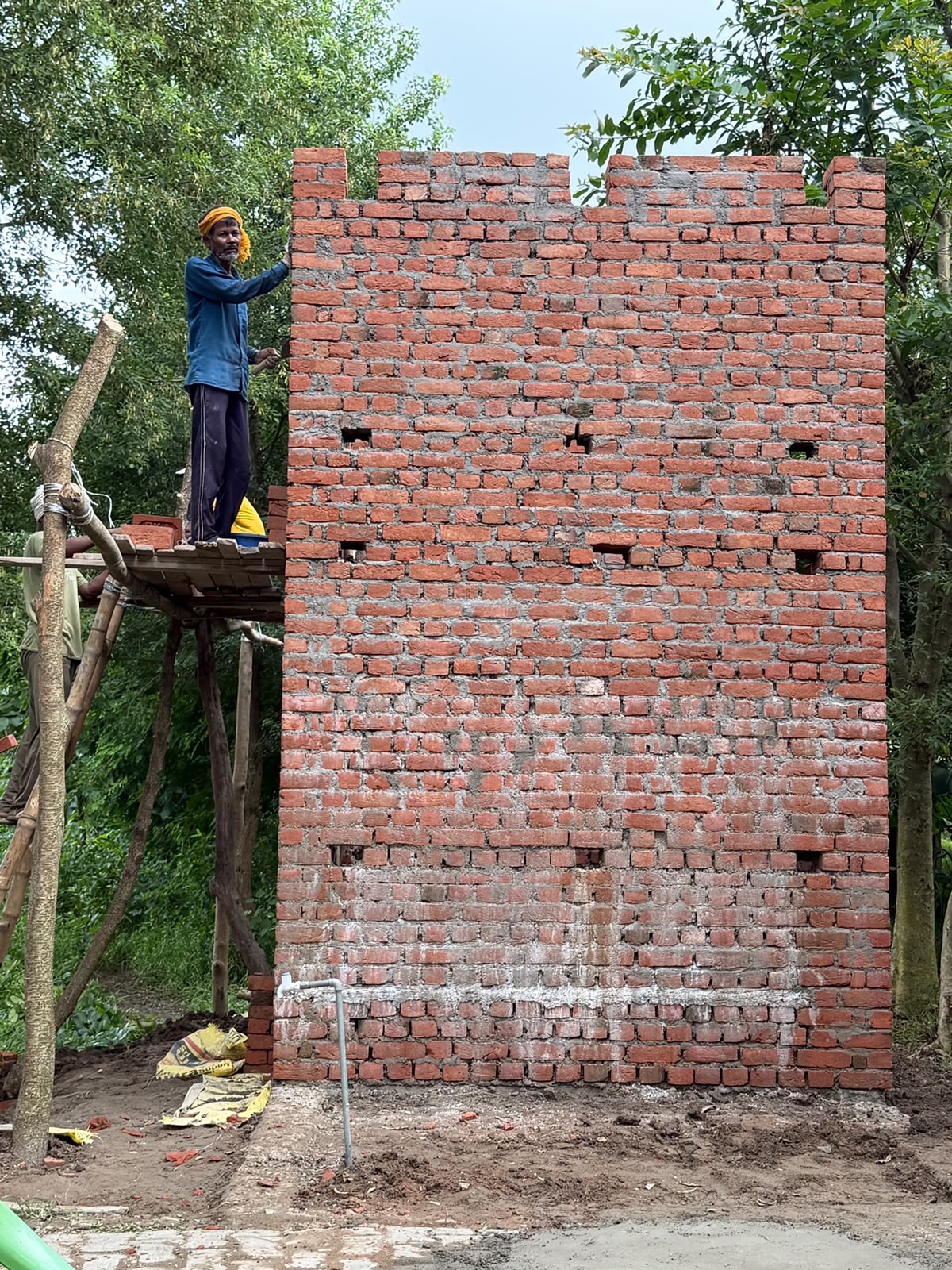
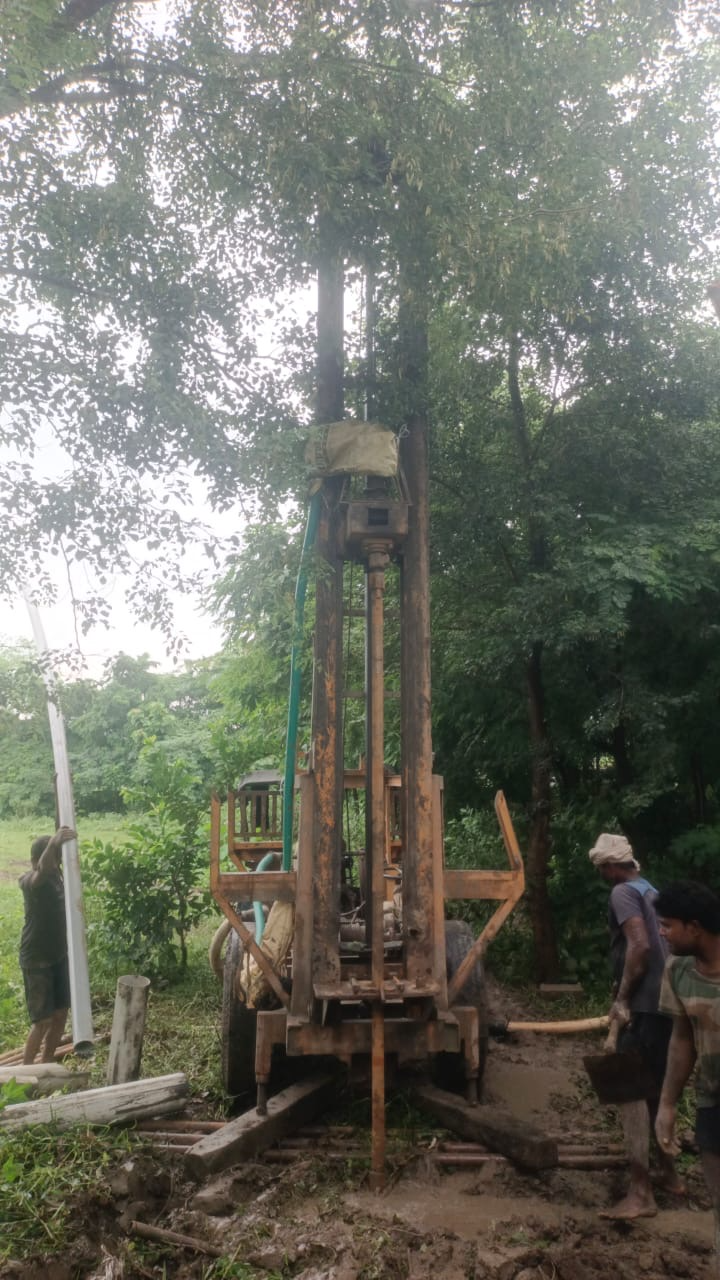
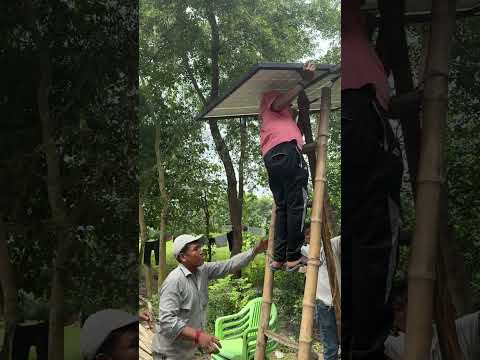
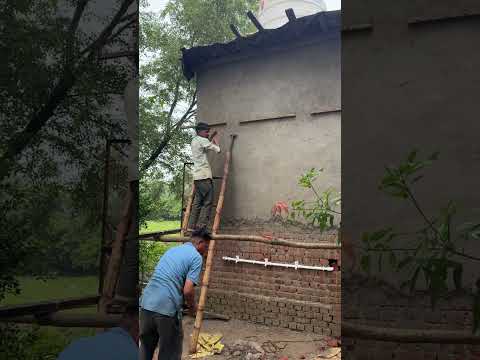
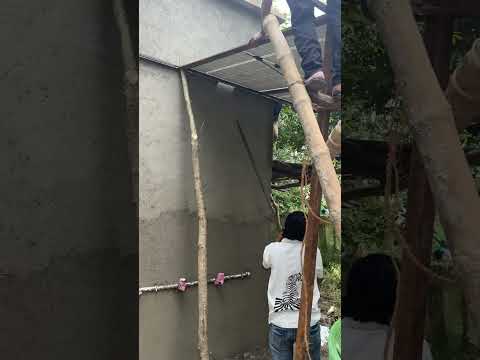
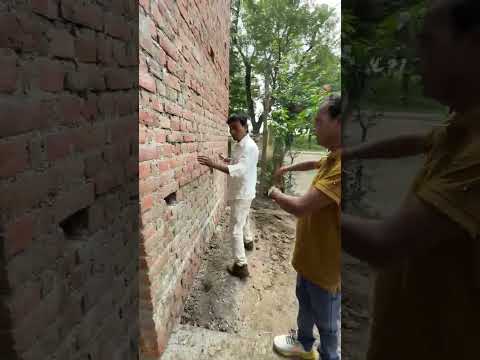
Installation photographs and video are documented chronologically, with commissioning results and lessons added as they are verified.

My role

Clear Ownership

Research

Problem analysis, adsorption research and technical learning.

Technology evaluation

Comparing media, system stages and operating constraints.

Project coordination

Government outreach, supplier coordination and deployment planning.

Field implementation

Installation, testing, documentation and community training at the Parsiya site.

04 · Community & Impact

Measure outcomes, not promises.

The first installation is complete in Parsiya. Treatment-performance figures will be published after commissioning and verification; 3,000+ people is the system's design service capacity, not a verified beneficiary count.

Complete

1

Installation

Parsiya · September 2026

Location

Parsiya

First installation

Lakhimpur Kheri, U.P.

Design

3,000+

People service capacity

Design figure

Awaiting verification

—

Verified beneficiaries

To be calculated after use begins

Live impact dashboard

First plant — Parsiya, Palia.

Lab verified

Raw-water arsenic

42 µg/L

Treated-water arsenic

<5 µg/L

Below the laboratory detection limit

WHO guideline

10 µg/L

After-filtration water test report

Reliable Test House · Report issued 18 September 2026 · Arsenic BDL (<0.005 mg/L)

View laboratory report

The laboratory result applies to the submitted treated-water sample. “Below detection limit” means arsenic was not detected above 5 µg/L; it does not establish an absolute zero concentration.

Community operation

Technology works only if people can operate it.

The implementation plan includes training local operators and students on starting and stopping the pump, routine observations, backwashing the appropriate filters, keeping the sludge barrel closed and avoiding tampering with the GFH vessel.

Daily operating log
Backwash procedure
Safe waste handling
Periodic water testing

Future education programme

ARUNA Classroom

A future education pathway can use simplified filtration demonstrations to teach groundwater contamination, adsorption, testing and maintenance. This will remain clearly separate from the community treatment plant.

Planned — not yet deployed

Community stories

The people behind the numbers.

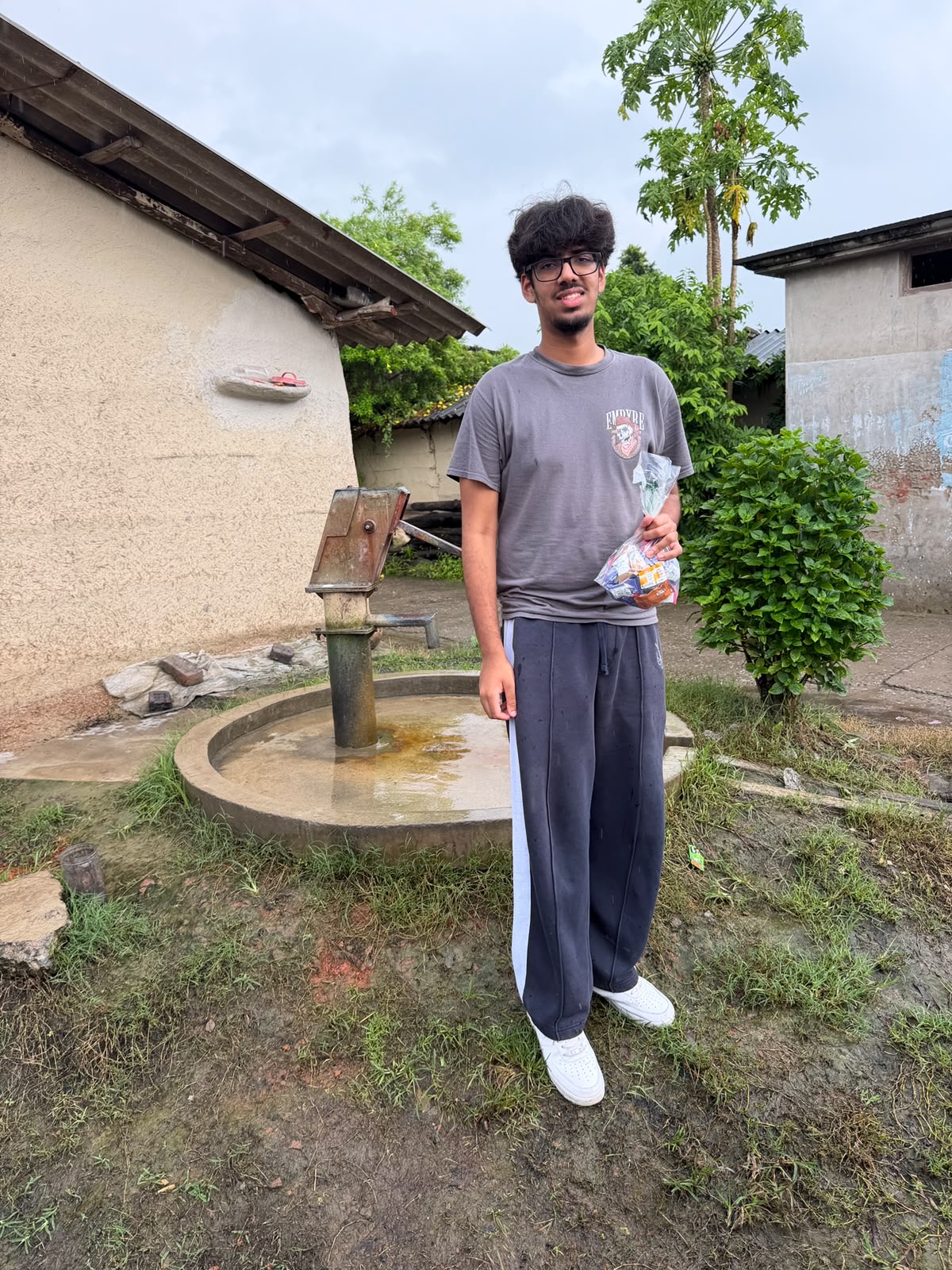
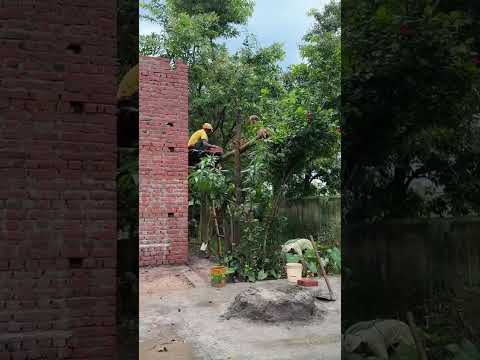
The field gallery now documents construction and completion in Parsiya. Resident testimonials and verified stakeholder perspectives will be added as they are recorded with consent.

05 · Evidence & Transparency

Don't take our word for it. Check the evidence.

Problem data, research, government records, engineering documents and future field test results are organized in one place.

Verified

Official, published or directly tested evidence.

Design value

Engineering specification awaiting field validation.

In progress

An activity currently being implemented.

Planned

A future activity not yet claimed as completed.

CGWB evidence

Lakhimpur Kheri monitoring data

Selected official monitoring locations show that arsenic and iron vary substantially across the district. This is exactly why our final design will be commissioned against the actual site water.

CGWB portal
LocationBlockArsenicIronStatus vs 10 µg/L WHO reference
Palia Kalan Block HQPalia Kalan42 µg/L—Above
Bhagawant NagarPalia87 µg/L4.707 mg/LAbove
Gahra FarmPalia20 µg/L2.879 mg/LAbove
GadaniyaPalia—8.530 mg/LIron context

These values are district monitoring records, not the pilot borewell's commissioning results.

Evidence chain

CGWB dataResearchGovernment approvalInstallationBefore / after testingMonitoring

06 · Founder & What's Next

One plant is a pilot. The goal is a model that can be tested and repeated.

Vehaan Subramanian, founder of Project ARUNA

Founder

Vehaan Subramanian

Student Researcher · Dubai College

Connect on LinkedIn

Project ARUNA was initiated to translate arsenic-removal research into a field project that could be evaluated against real community constraints: water chemistry, maintenance, electricity, government permission and safe waste handling.

Project-relevant experience

Published co-author

Scientific analysis, experimental work and validation on a 2026 arsenic adsorption paper.

Plant design & technology evaluation

Compared treatment media, process stages and operating constraints.

Government coordination

Worked through the permission and site-identification process for the pilot.

Field implementation

The first installation is complete; commissioning, testing and documentation continue.

Roadmap

Where ARUNA goes next.

Complete

Government approval

Complete

First installation · Parsiya

Current

Commissioning & testing

Proposed · not confirmed

Next Installation – Golbojhi (Proposed)

Golbojhi is currently being considered as the likely location following completion of Parsiya.

Then

Community training

Then

Performance monitoring

Future

Refine the model

Evidence-led

Replicate where justified

The ARUNA model

Identify → Test → Partner → Install → Verify → Maintain → Replicate

The objective is not to claim scale before it exists. The pilot is intended to generate evidence about water quality, treatment performance, maintenance and community operation. Replication should follow only if that evidence supports it.

Get involved

Relevant partners can help the project mature.

Communities & NGOs
Government
Researchers & universities
Technical partners

Donate for ARUNA

Help a village drink safe water

Help a village drink arsenic-free and iron-free filtered water, and help people prevent diseases like skin cancer and other issues arsenic and iron can cause. Every contribution moves the pilot closer to clean water for the community.

Contact us

Questions, partnerships or press

Reach out to the Project ARUNA team directly. Clicking the button opens your email app (Outlook, Mail, etc.) addressed to the project lead.

Contact us

Media

Project ARUNA in the news.

Reports on the first solar-powered community water-treatment installation in Parsiya.

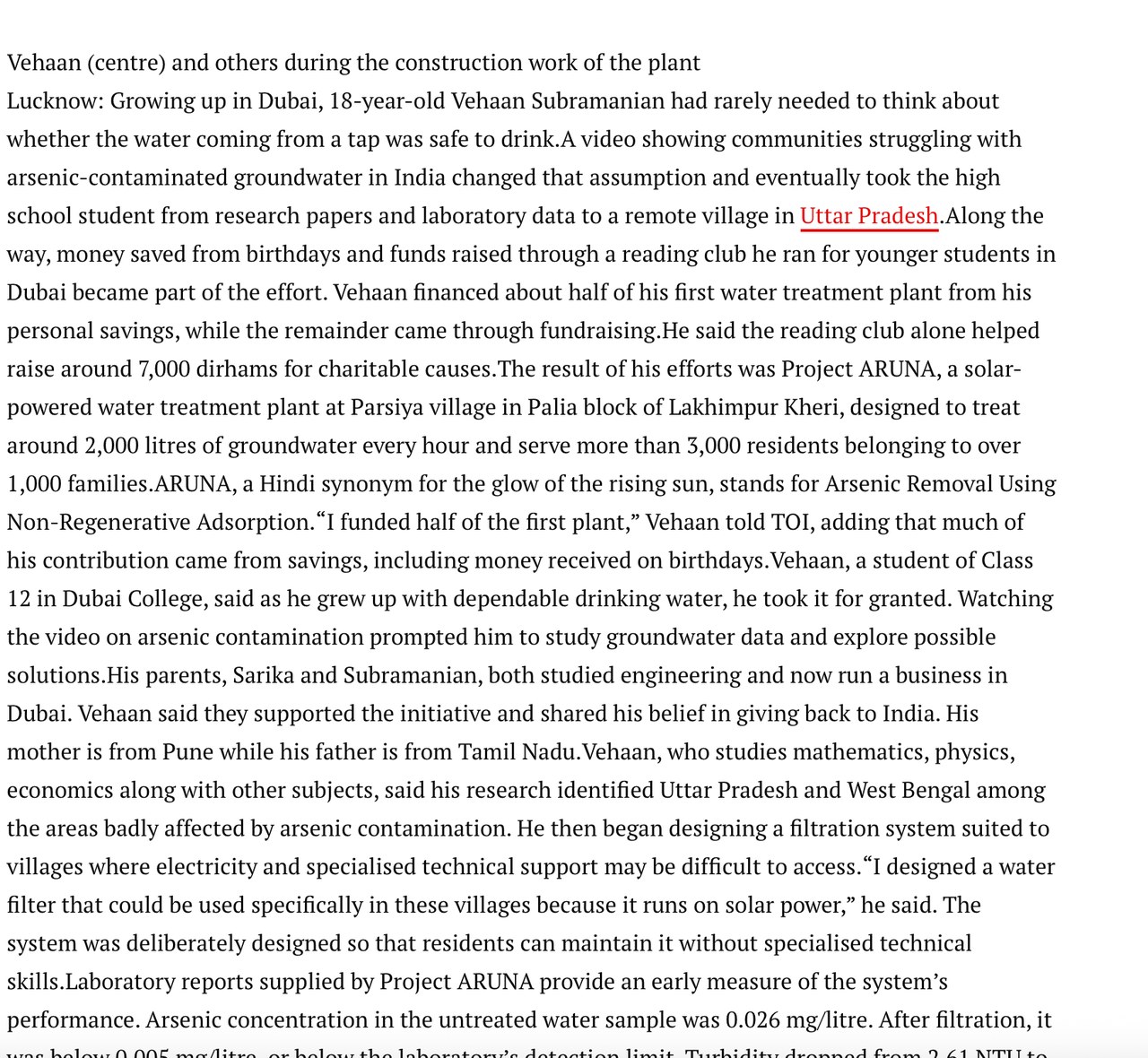
The Times of India article preview featuring Vehaan Subramanian and Project ARUNA

The Times of India · 27 Sep 2026

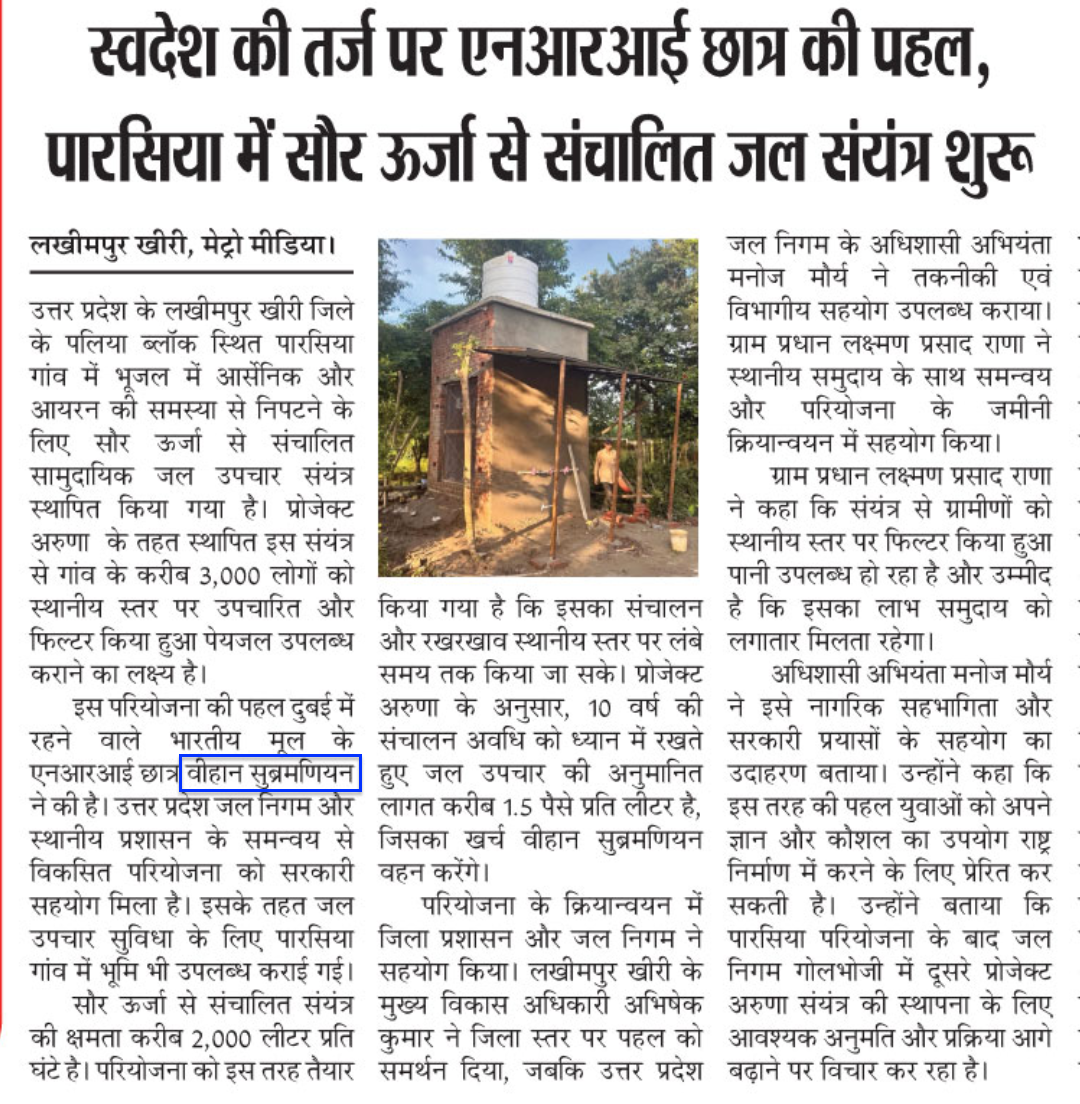
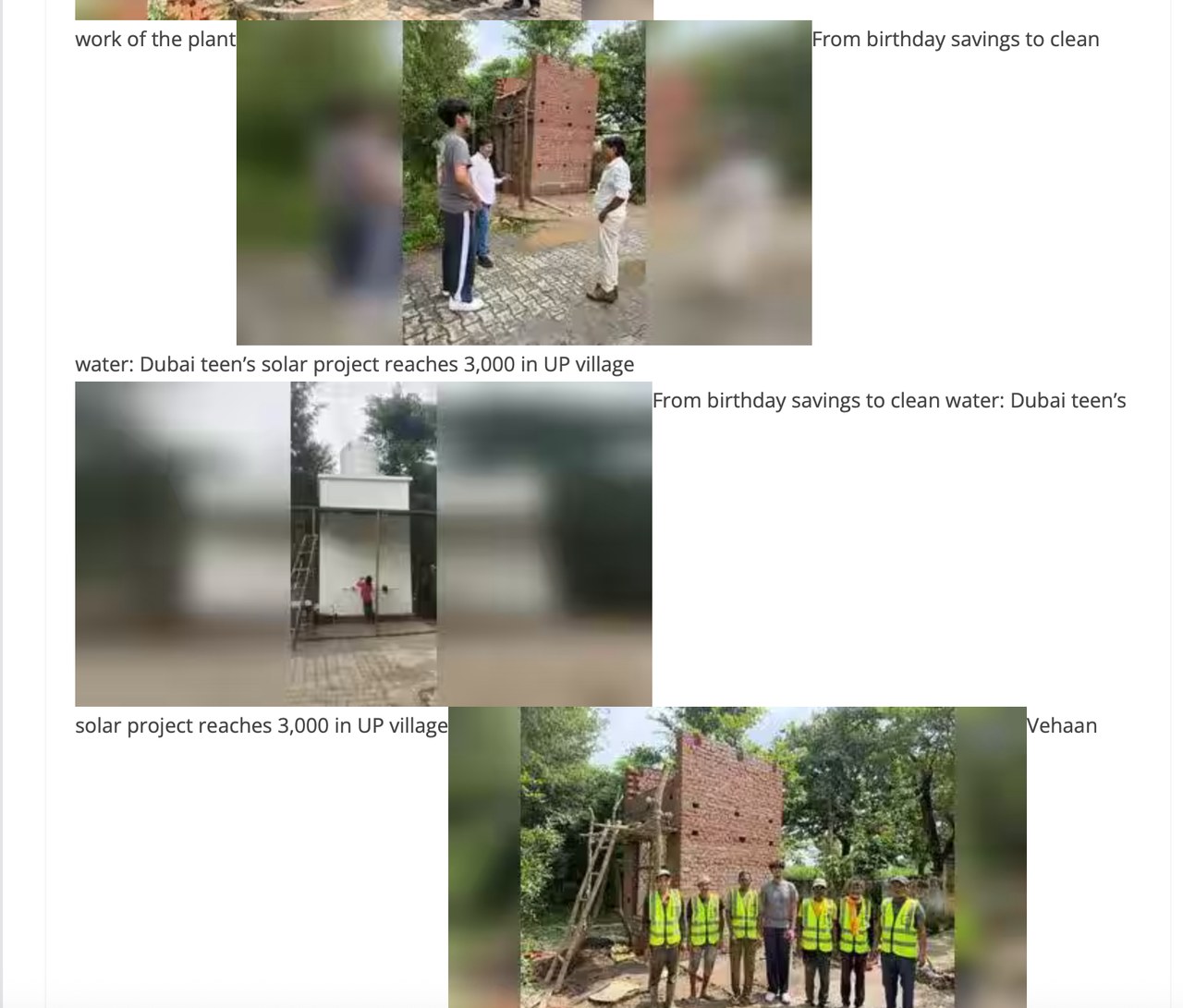
With b’day savings, Dubai teen taps solar power for safe water to UP village

Read article
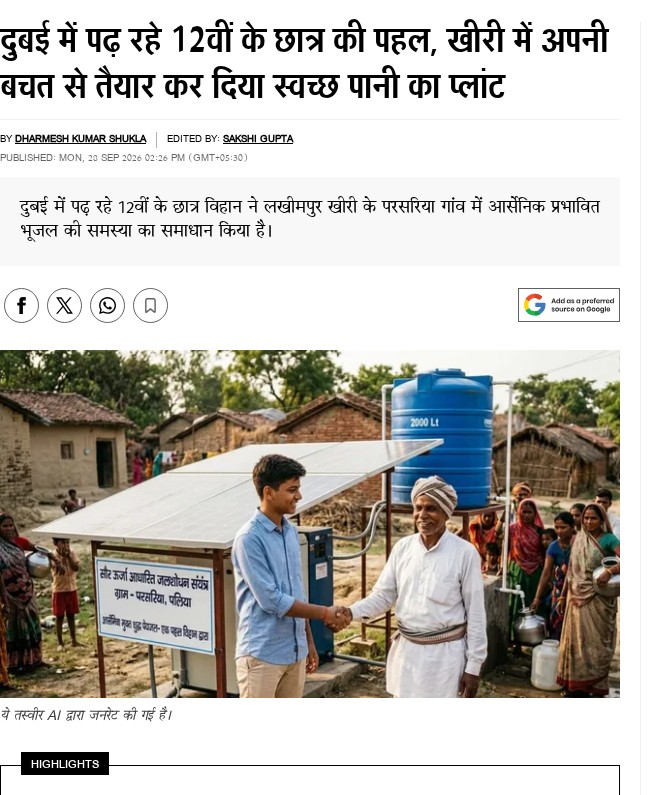
Jagran article headline, opening text and photograph about the Parsiya water plant

Jagran · 28 Sep 2026

दुबई में पढ़ रहे 12वीं के छात्र की पहल, खीरी में अपनी बचत से तैयार कर दिया स्वच्छ पानी का प्लांट

Read article
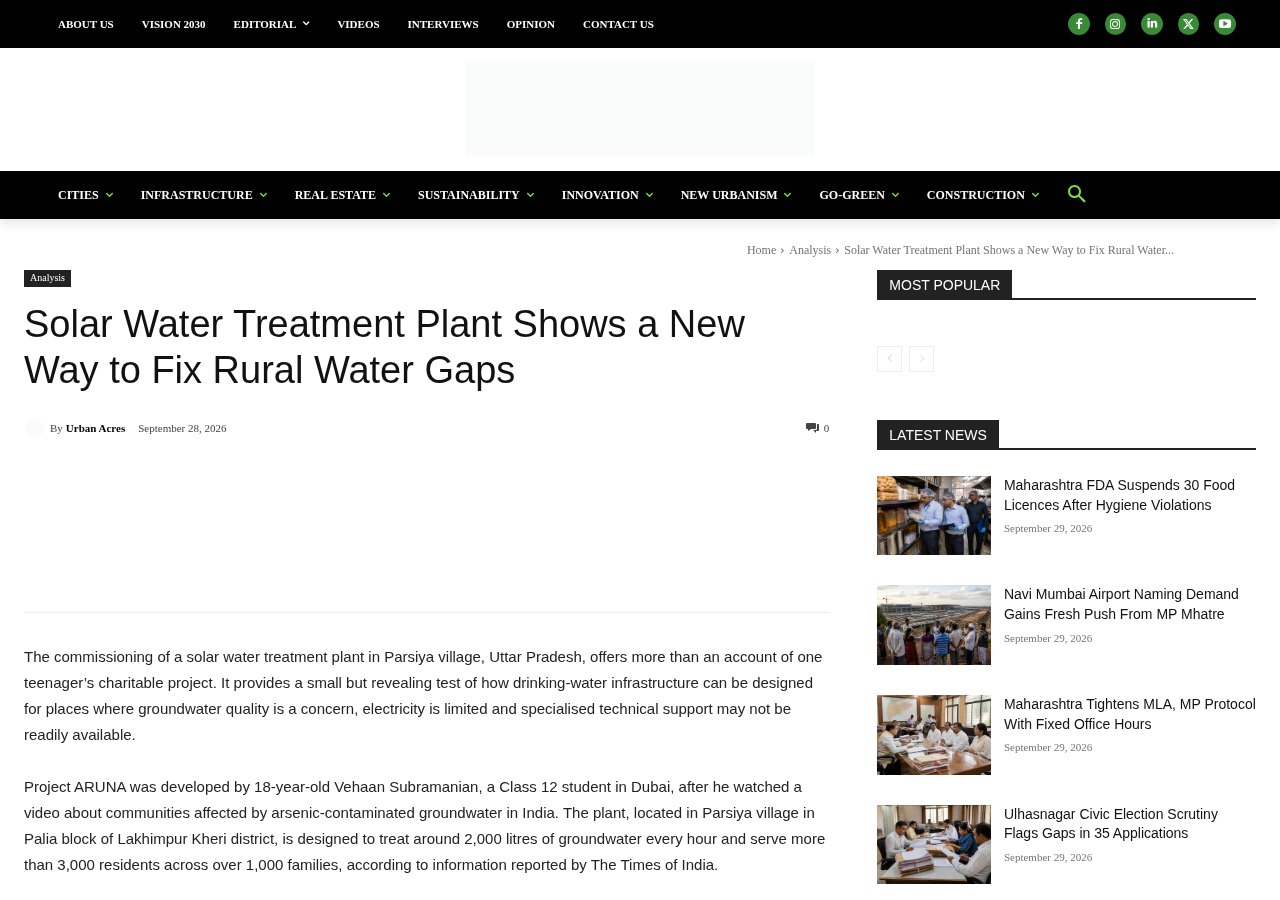
Urban Acres article headline and opening paragraphs about Project ARUNA

Urban Acres · 28 Sep 2026

Solar Water Treatment Plant Shows a New Way to Fix Rural Water Gaps

Read article
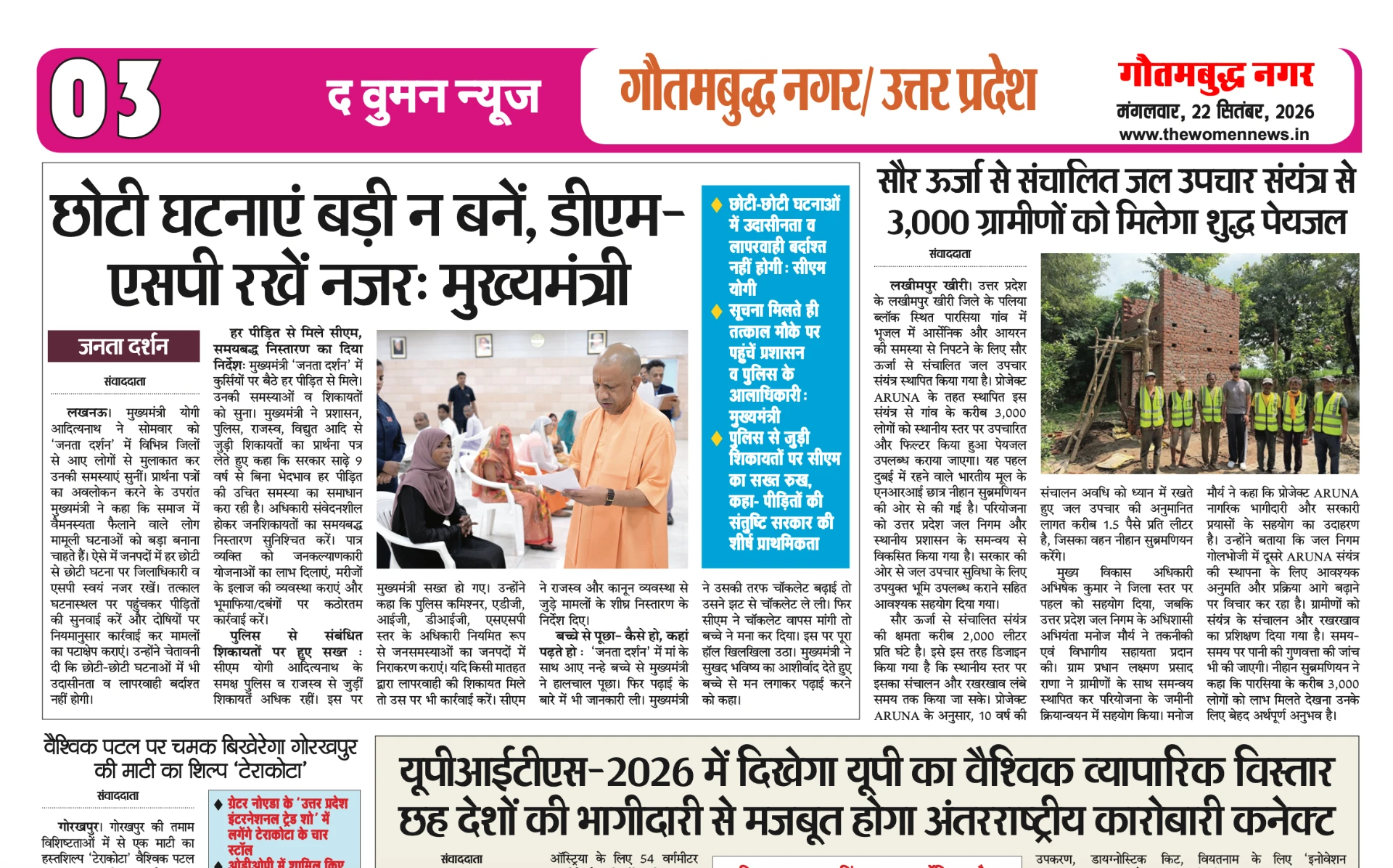
The Women News printed article and headline about the Parsiya water plant

The Women News · 22 Sep 2026

सौर ऊर्जा से संचालित जल उपचार संयंत्र से 3,000 ग्रामीणों को मिलेगा शुद्ध पेयजल

Read article
Metro Media coverage of Project ARUNA

Metro Media · 22 Sep 2026

Solar-powered water-treatment system launched in Parsiya

Read article
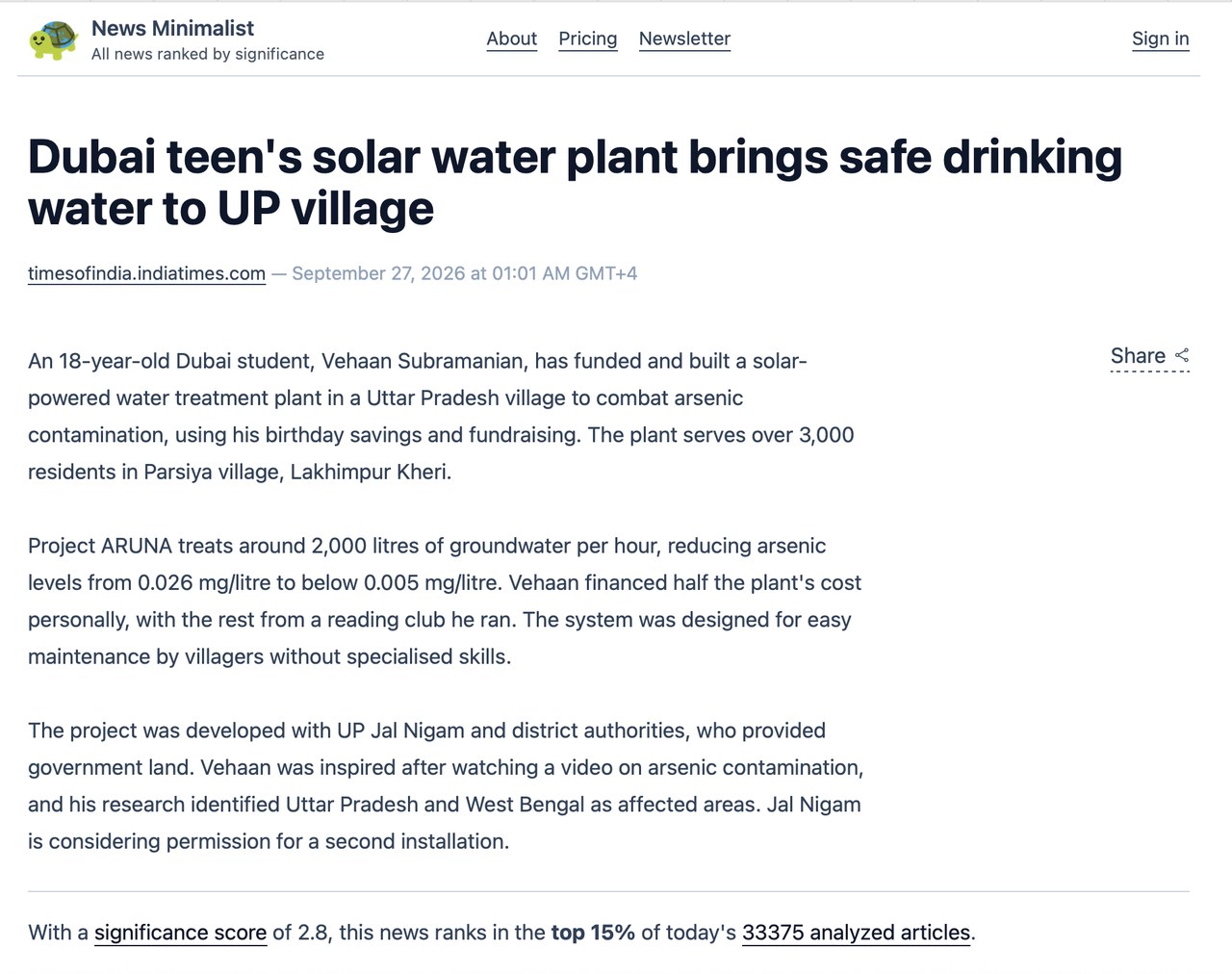
Article preview of News Minimalist coverage of Project ARUNA

News Minimalist · 26–27 Sep 2026

Dubai teen’s solar water plant brings safe drinking water to UP village

Read article
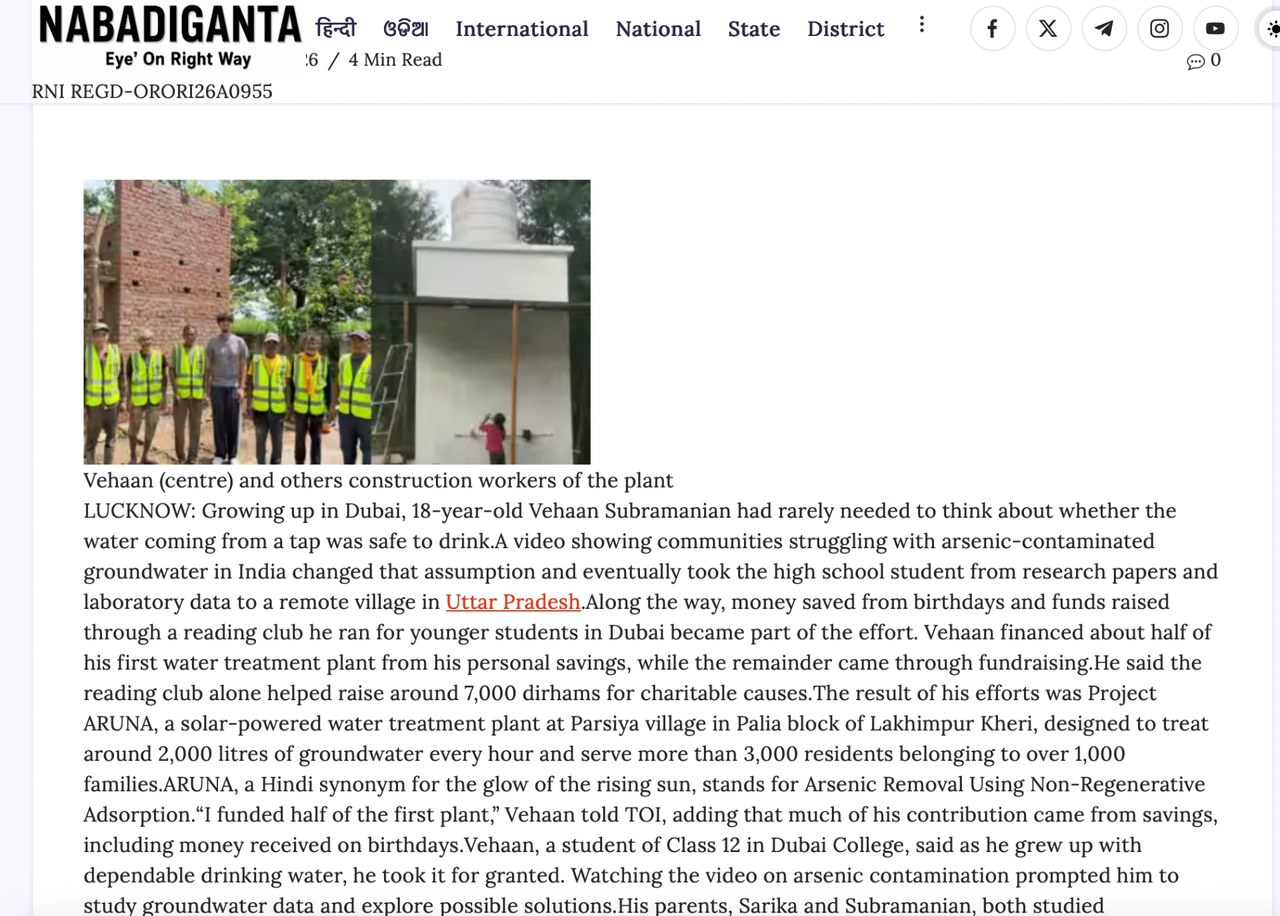
Article preview of The Nabadiganta coverage of Project ARUNA

The Nabadiganta · 27 Sep 2026

With b’day savings, Dubai teen taps solar power for safe water to UP village

Read article

FactNews India · 28 Sep 2026

With b’day financial savings, Dubai teen taps solar power for safe water to UP village

Read article
Article preview of Indmedia News coverage of Project ARUNA

Indmedia News · 28 Sep 2026

With b’day savings, Dubai teen taps solar power for safe water to UP village

Read article
Article preview of GNewsNetworks coverage of Project ARUNA

GNewsNetworks · 28 Sep 2026

With b’day savings, Dubai teen taps solar power for safe water to UP village

Read article
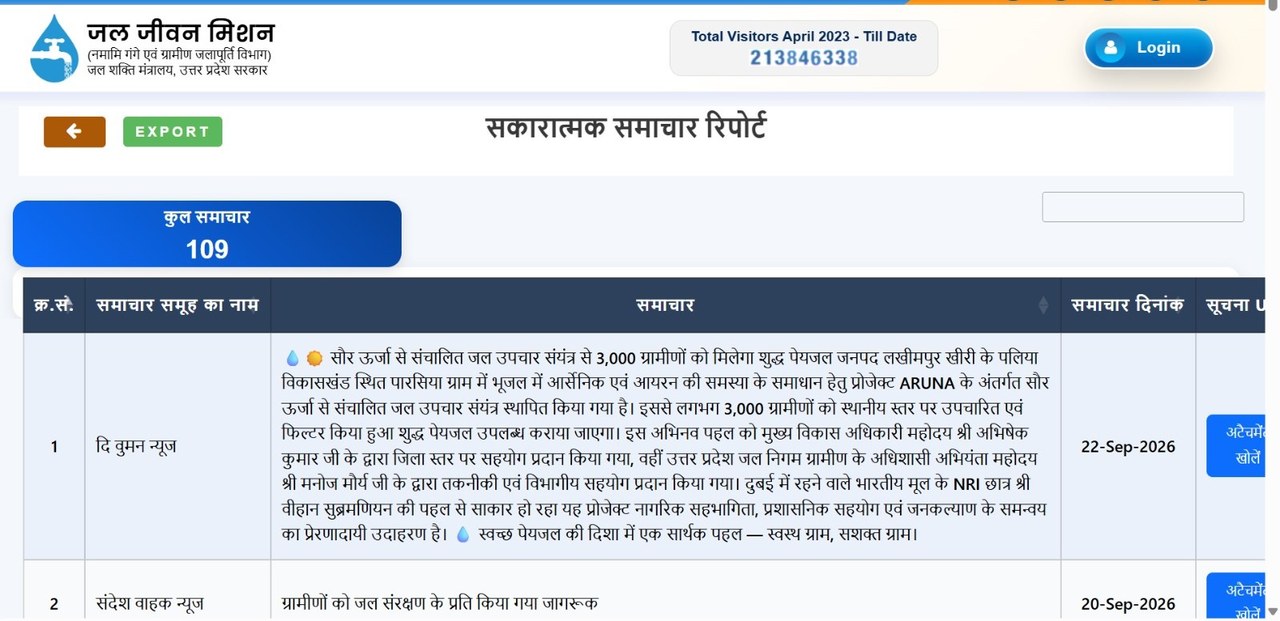
Jal Jeevan Mission Uttar Pradesh positive news report listing Project ARUNA

Jal Jeevan Mission UP · 22 Sep 2026

Project ARUNA listed on the Jal Jeevan Mission (UP) positive news report

Read article

This Government of India website opens only in India.

Acknowledgements

Thank you.

Project ARUNA has only been possible because of the guidance, permissions and scientific support offered by the following institutions and individuals.

National Mission for Clean Ganga logo

National Mission for Clean Ganga (NMCG)

For institutional support of clean-water work in the Ganga basin.

Uttar Pradesh Jal Nigam logo

Jal Nigam, Uttar Pradesh

For approvals, site guidance and coordination on the pilot.

Beni-Suef University logo

Beni-Suef University

With special thanks to Prof. Rehab Mahmoud for research supervision and materials expertise.

Prof. Pradeep Burma

Prof. Pradeep Burma

For scientific mentorship and guidance throughout the project.